Sports Injuries in Dallas, TX
Personalized Regenerative Treatment for Athletic and Activity-Related Injuries
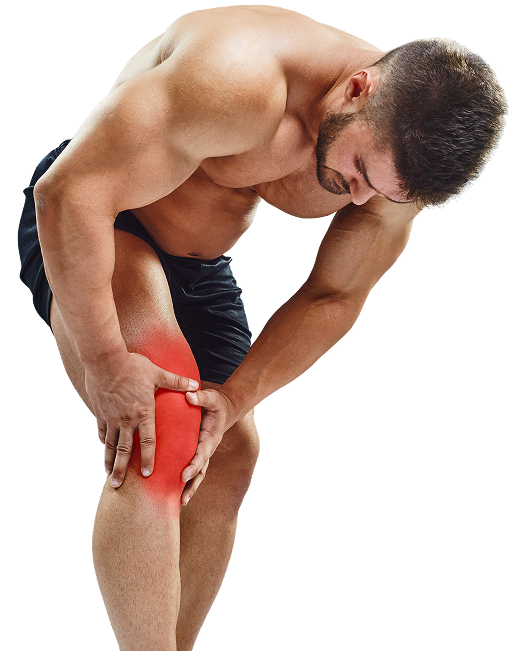
A sports injury clinic should begin with an accurate understanding of the injury, how it affects movement, and what the patient wants to return to doing. Injuries caused by sudden trauma, repetitive motion, overuse, or physical activity can affect comfort, strength, mobility, stability, and performance.
At Dallas Stem Cell Center, patients receive a physician-led evaluation before a treatment plan is recommended. If you are searching for a sports injury doctor, the goal of the first visit is to review your symptoms, medical history, available imaging, and functional limitations so appropriate options can be discussed. Patients comparing an athletic injury clinic can also ask how candidacy is determined, what alternatives exist, and what follow-up is included.
For people seeking sports injury orthopedic care in Dallas, regenerative approaches may be considered as part of a personalized, non-surgical care plan when medically appropriate.
-
Denver, CO 720.338.4491
-
Houston, TX 713.552.3142
-
Dallas, TX 214.934.8858
-
Scottsdale, AZ 602.834.3997
-
Fort Collins, CO 970.829.9012
-
Durango, CO 970.567.8258
-
Colorado Springs 720.338.4491
-
Oklahoma City 806.500.9948
-
Lubbock, TX 720.338.4491
-
Omaha, NE 402.612.2662
Tell Us About Your Condition
HOW CAN WE HELP YOU RIGHT AWAY?
Share your symptoms, concerns, or treatment goals, and a Care Coordinator will contact you to discuss your options. You can also reach our team directly through our contact page

Patient Information
Contact form
Patient Information
Contact form
Common Signs and
Types of Athletic Injuries
Tendon Injuries
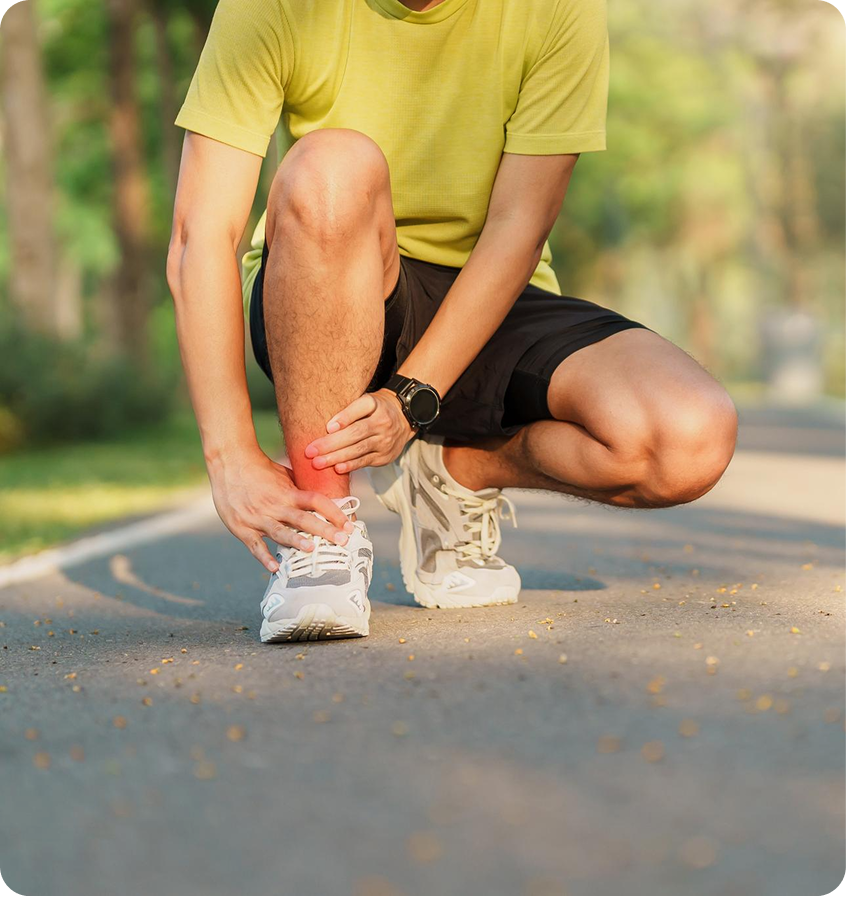
Tendon injuries can develop after repetitive loading, sudden force, or overuse. Symptoms may include localized pain, stiffness, tenderness, weakness, or reduced ability to perform a specific movement.
Muscle Strains
A muscle strain or tear occurs when muscle fibers are overstretched or damaged. Symptoms can include pain, swelling, weakness, bruising, or limited movement. A muscle contusion may also occur after a direct impact and can cause tenderness, bruising, and temporary loss of function.
Ligament Sprains
Ligament sprains affect the connective tissue that stabilizes a joint. Depending on severity, a sprain may cause swelling, pain, reduced range of motion, or a feeling that the joint is unstable.
Cartilage Injuries
Cartilage damage can affect smooth joint movement and may contribute to pain, swelling, catching, stiffness, or reduced function. The appropriate evaluation depends on the joint involved and the extent of the injury.
Rotator Cuff Injuries
Rotator cuff problems can affect shoulder strength, stability, and arm movement. Symptoms may include pain with lifting or reaching, weakness, reduced range of motion, or discomfort at night.
Overuse Injuries
Overuse problems develop gradually when repeated activity places more stress on tissue than it can recover from. Symptoms may start as mild discomfort and become more persistent if the underlying load or movement pattern is not addressed.
How Regenerative Medicine Works
Regenerative medicine is a broad term for approaches intended to support or influence the body’s repair processes. Treatment is not one-size-fits-all, and recommendations should depend on the diagnosis, severity of injury, medical history, previous care, and individual goals. Patients comparing sports injury clinics should ask what specific product or procedure is being proposed, why it is being considered, and what evidence, risks, alternatives, and regulatory status apply.
- Stem Cell-Based Therapies: Stem cells are unspecialized cells with the ability to self-renew and develop into specialized cell types. Stem cell-based products may be discussed in regenerative medicine, but they are not automatically appropriate for every musculoskeletal injury.
- PRP: Platelet-rich plasma is prepared from a patient’s own blood and concentrates platelets that contain growth factors. It may be considered for selected musculoskeletal conditions after an appropriate evaluation.
- Extracellular Matrix: Extracellular matrix products may be discussed as part of a regenerative care plan to provide structural support in selected cases. The specific product, intended use, and regulatory status should be explained before treatment.
The objective is to choose an approach that matches the patient’s condition and goals while setting realistic expectations about potential benefits, limitations, recovery, and follow-up.
How it works
Potential Benefits of Stem Cell-Based Therapy for Athletic Injuries
Potential benefits vary by diagnosis, treatment type, and individual response. No regenerative procedure can guarantee a specific outcome.

Faster Recovery Support
For appropriate candidates, treatment may be used with the goal of supporting the body’s natural repair response as part of an individualized recovery plan.

Improved Mobility
Care may focus on improving function and helping the injured area tolerate everyday movement and activity more comfortably.

Reduced Pain
Some patients explore regenerative options because persistent discomfort is limiting activity. Any expected effect on symptoms should be discussed in the context of the specific diagnosis.

Non-Surgical Treatment Option
For selected patients, a non-surgical approach may be considered before more invasive treatment. It does not replace surgery when surgery is medically indicated.
Is Stem Cell-Based Therapy Right for You?
You may be considered for an evaluation if:
- You recently experienced an activity-related injury.
- You have persistent symptoms related to repetitive physical activity.
- The injury is limiting movement, exercise, work, or athletic performance.
- Conservative care has provided limited relief.
- You want to understand non-surgical options before deciding on surgery.
- You want a personalized care plan based on your diagnosis and goals.
If you are comparing sports injury doctors, look for a process that evaluates the actual injury before recommending a procedure. Candidacy depends on the condition, severity, health history, previous treatment, and other clinical factors.
What to Expect

Comprehensive Evaluation
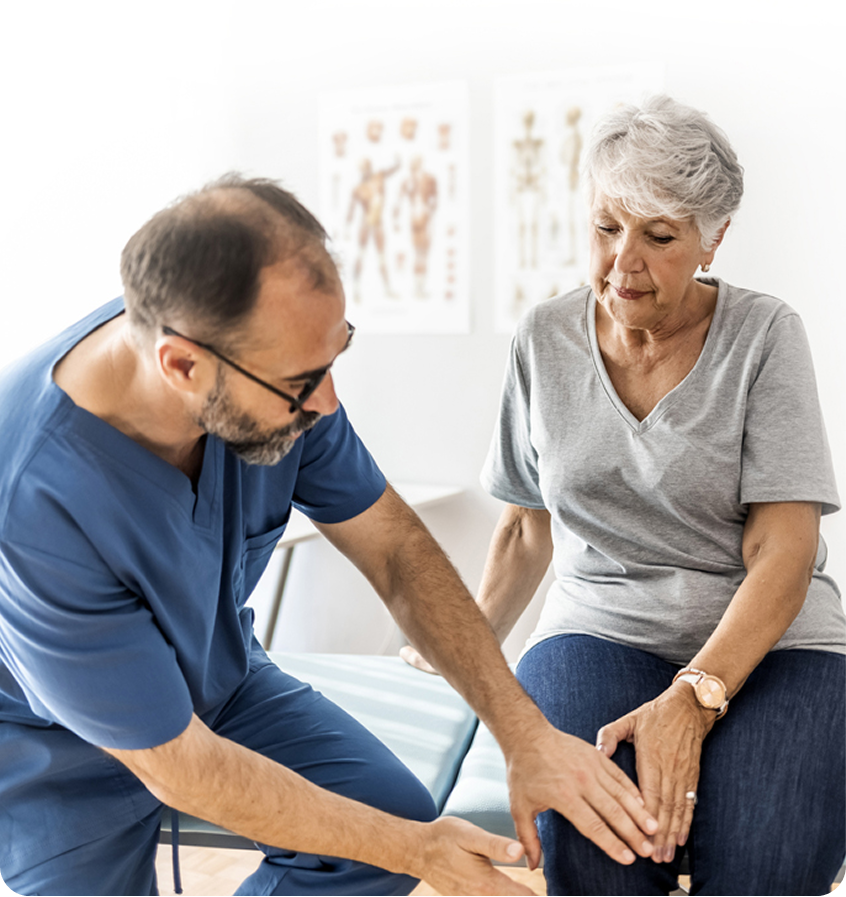
Your physician reviews your symptoms, medical history, available imaging, and the function of the injured area. If you found this page while searching for a sports injuries doctor, this evaluation is the point where the diagnosis, functional limitations, and treatment goals should be clarified.

Personalized Treatment Plan
If treatment is appropriate, a plan is developed around the diagnosis, current function, recovery goals, and relevant medical considerations. People comparing search results for sports injury doctors should ask why a specific option is being recommended and what alternatives should also be considered.

Ongoing Care & Follow-Up
Your progress is monitored so the care plan can be reviewed as you recover. Follow-up should address function, symptoms, activity progression, and any concerns that develop after treatment.
FAQS
Frequently Asked Questions
What types of athletic injuries do you evaluate?
The clinic evaluates a range of musculoskeletal concerns involving tendons, muscles, ligaments, cartilage, shoulders, and overuse-related problems. Patients seeking hamstring injury treatment may need an examination to determine whether symptoms reflect a mild strain, a more significant tear, or another cause.
If you are comparing a pulled hamstring vs. a strained muscle or a muscle tear vs. a muscle strain, an in-person assessment can help clarify the extent of the injury and the appropriate next step.
Do I need surgery for an athletic injury?
Not necessarily. The answer depends on the tissue involved, injury severity, joint stability, functional loss, previous treatment, and other clinical findings.
Patients asking what the best treatment for a soft tissue injury is should understand that care may range from activity modification and rehabilitation to injections or surgery, depending on the diagnosis. A physician evaluation can help determine which options are reasonable for the individual injury.
Can regenerative medicine help a meniscus tear?
A meniscus tear should be evaluated according to its location, pattern, severity, symptoms, knee stability, and other findings. Regenerative options may be discussed for selected patients, but they are not appropriate for every tear and do not replace surgical care when surgery is medically indicated.
How soon after an injury should I seek treatment?
Seek prompt medical care for severe pain, major swelling, visible deformity, inability to bear weight, significant loss of function, numbness, or other concerning symptoms.
For less urgent injuries, persistent pain, repeated swelling, weakness, instability, or failure to improve are reasons to schedule an evaluation. If you are deciding whether a sports injury clinic is appropriate, an assessment can help determine whether further imaging, conservative care, or another treatment path should be considered.
How do I know if I am a candidate?
You can’t determine candidacy from symptoms alone. It depends on your diagnosis, injury severity, medical history, previous treatments, functional goals, and the specific therapy being considered.
When reviewing providers, ask how they determine candidacy, what outcomes are realistic, what risks apply, and what alternatives are available.
Visit Our Dallas Clinic
(469) 501-1536
Serving Dallas: Southlake TX, Colleyville TX, Westlake TX, University Park TX, Highland Park TX, Flower Mound TX, Prosper TX, Celina TX, Fresco TX, Plano TX, Allen TX, Coppell TX
Take the First Step Toward Better Back Health
Serving Dallas and surrounding communities, including Southlake, Colleyville, Westlake, University Park, Highland Park, Flower Mound, Prosper, Celina, Frisco, Plano, Allen, and Coppell.
Disclaimer: The regenerative stem cell products described for orthopedic injuries are not FDA-approved to treat orthopedic conditions. Regenerative therapies are not a guaranteed cure, and results vary by patient and condition. This page is for educational purposes and is not a substitute for medical advice, diagnosis, or treatment. For current regulatory information, consult the U.S. Food and Drug Administration’s consumer guidance on regenerative medicine therapies.