
Joint Arthritis Treatment in Dallas, TX
Advanced Regenerative Medicine for Joint Arthritis Relief
Joint arthritis is one of the most common causes of chronic pain, stiffness, and reduced mobility. As cartilage gradually wears down, everyday activities such as walking, climbing stairs, reaching overhead, or even gripping objects can become increasingly difficult. For some patients, symptoms remain isolated to one area, while others develop arthritis in multiple joints at the same time.
At Dallas Stem Cell Center, we provide advanced regenerative medicine solutions designed to support the body’s natural healing response and help patients explore non-surgical treatment options for joint arthritis. Our personalized approach to joint arthritis treatment focuses on improving comfort, restoring function, and helping patients maintain an active lifestyle. As an arthritis clinic in Dallas focused on regenerative care, we evaluate each joint individually before recommending any therapy.

-
Denver, CO 720.338.4491
-
Houston, TX 713.552.3142
-
Dallas, TX 214.934.8858
-
Scottsdale, AZ 602.834.3997
-
Fort Collins, CO 970.829.9012
-
Durango, CO 970.567.8258
-
Colorado Springs 720.338.4491
-
Oklahoma City 806.500.9948
-
Lubbock, TX 720.338.4491
-
Omaha, NE 402.612.2662
Tell Us About Your Condition
HOW CAN WE HELP YOU RIGHT AWAY?
Share your symptoms, concerns, or treatment goals, and a Care Coordinator will contact you to discuss your options. You can also reach our team directly through our contact page.

Patient Information
Contact form
Patient Information
Contact form
Joint Arthritis Conditions Commonly
Evaluated for Stem Cell Therapy
Arthritis can develop in nearly any joint in the body. Below are the conditions we most frequently evaluate for orthopedic regenerative care.
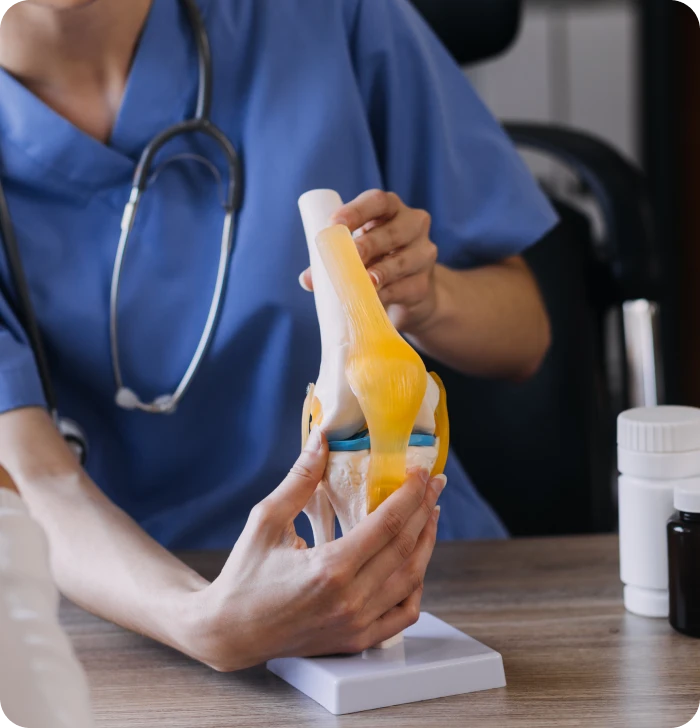
Knee Arthritis
One of the most common forms of osteoarthritis, often causing pain, stiffness, swelling, and difficulty walking or climbing stairs. Knee pain, arthritis related swelling, and reduced flexibility tend to progress gradually as cartilage thins over time.
Hip Arthritis
Can cause persistent hip pain, reduced flexibility, and discomfort during standing, walking, or everyday movement. Many patients first notice symptoms in the groin or outer hip rather than the joint itself.
Shoulder Arthritis
May affect arm movement, strength, and range of motion, making everyday tasks more challenging. Patients seeking AC joint arthritis treatment often report pain at the top of the shoulder that increases when reaching across the body or lifting overhead.
Wrist Arthritis
Often causes pain, stiffness, weakness, and reduced grip strength during routine activities. Simple tasks such as opening jars, typing, or carrying bags may become uncomfortable.
Elbow Arthritis
May lead to joint discomfort, swelling, stiffness, and difficulty bending or lifting objects. Arthritis in the elbow joint is commonly linked to prior injury, repetitive strain, or long-term overuse.
Ankle Arthritis
It can affect balance, walking, and weight-bearing activities while causing chronic pain and swelling. Related conditions such as arthritis in the subtalar joint may limit side-to-side foot motion, and patients asking about arthritis in the big toe joint treatment often describe stiffness that worsens when pushing off during each step.
How Regenerative Medicine for Joint Pain Works
Stem cells are often referred to as the body’s natural repair cells because of their ability to support tissue regeneration and healing processes. Depending on the severity of joint arthritis and the affected joint, physicians may recommend a combination of regenerative therapies including:
The goal of regenerative medicine for arthritis is to support the body’s natural healing response while helping patients reduce joint discomfort, improve mobility, and maintain an active lifestyle. Each regenerative treatment for arthritis is selected based on your diagnosis, imaging, and overall health rather than a single standardized protocol.

How it works
Potential Benefits of Stem Cell Therapy for Joint Arthritis

Reduced Joint Pain
May help reduce discomfort associated with arthritis and joint degeneration. This is often the primary goal for patients seeking chronic joint pain treatment after other approaches have offered limited relief.

Improved Mobility
Supports healthier joint movement, flexibility, and overall function so that walking, bending, and reaching feel less restricted.

Support for Cartilage Health
Designed to promote a healthier environment for joint tissues and surrounding structures.

Avoid or Delay Joint Replacement Surgery
Provides a non-surgical treatment option for appropriate candidates seeking alternatives to joint replacement procedures.
Is Stem Cell Therapy for Arthritis Right for You?
You may be a candidate if:
- You experience chronic joint pain or stiffness
- Osteoarthritis is affecting your mobility
- Daily activities have become increasingly difficult
- Conservative treatments have provided limited relief
- You want to avoid or delay joint replacement surgery
- You experience swelling or reduced range of motion
- You are looking for joint pain treatment without surgery
- You want a personalized non-surgical treatment option
- You are looking to stay active and maintain your independence
Every patient receives a comprehensive evaluation to determine whether stem cell treatment for arthritis may be appropriate for their condition.
What to Expect

Comprehensive Evaluation
Our physicians assess your symptoms, medical history, imaging studies, and affected joints to better understand your condition. If you are searching for an arthritis specialist in Dallas, TX, this first visit is where your options are reviewed in detail.

Personalized Treatment Plan
If appropriate, we develop a customized regenerative medicine strategy tailored to your diagnosis and treatment goals. Your plan may address a single joint or a broader non-surgical joint pain treatment approach when several areas are involved.

Ongoing Care & Follow-Up
Our team monitors your progress and provides continued guidance throughout your recovery and wellness journey.
FAQS
Frequently Asked Questions
What is joint arthritis?
Joint arthritis is a condition that causes inflammation and degeneration within a joint, often leading to pain, stiffness, swelling, and reduced mobility. Symptoms usually develop gradually and may worsen with activity.
Which joints can be affected by arthritis?
Arthritis commonly affects the knees, hips, shoulders, wrists, elbows, and ankles, although it can develop in many joints throughout the body, including the subtalar joint and the big toe joint.
Can regenerative medicine help joint arthritis?
Some patients with joint arthritis may be candidates for regenerative medicine. Treatment recommendations are based on a comprehensive evaluation of the affected joint and overall health.
Do I need surgery for joint arthritis?
Not always. Many individuals explore joint pain treatment options that do not involve surgery before considering joint replacement. The most appropriate treatment depends on your diagnosis and symptoms.
How do I know if I am a candidate?
Our physicians perform a detailed consultation and evaluation to determine whether regenerative medicine may be appropriate for your condition. You can request a consultation here or review patient testimonials to learn more about the experience.
What does joint arthritis treatment involve at your Dallas clinic?
Joint arthritis treatment at Dallas Stem Cell Center begins with a comprehensive evaluation, followed by a personalized regenerative plan that may include stem cells, PRP, or extracellular matrix, and ongoing follow-up care. Financing options are available for qualified patients.
Visit Our Dallas Clinic
(469) 501-1536
Serving Dallas: Southlake TX, Colleyville TX, Westlake TX, University Park TX, Highland Park TX, Flower Mound TX, Prosper TX, Celina TX, Frisco TX, Plano TX, Allen TX, Coppell TX
Find Out Whether Regenerative Medicine May Be Right for You
Every patient’s condition is unique. Schedule a consultation with our team to discuss your symptoms, goals, and available options for joint arthritis treatment in Dallas, TX, including stem cell therapy and other regenerative approaches.
Disclaimer: Stem cell therapies are not approved by the FDA. Stem cells are not a cure for any condition, disease, or injury. The information on this page is not medical advice and is provided for educational and informational purposes only. To learn more about FDA regulations, please visit the following link.