
Ligament Injuries in Dallas, TX
Personalized Regenerative Treatment for Ligament Injuries
Ligaments are strong bands of connective tissue that connect bones and help stabilize joints during movement. When one is stretched, partially torn, or completely torn, patients may experience pain, swelling, weakness, instability, or difficulty with everyday activities and sports.
At Dallas Stem Cell Center, we provide personalized regenerative care for patients with ligament conditions. Our physicians evaluate the location and severity of the problem, review relevant medical history and imaging, and discuss appropriate options based on the individual patient.

-
Denver, CO 720.338.4491
-
Houston, TX 713.552.3142
-
Dallas, TX 214.934.8858
-
Scottsdale, AZ 602.834.3997
-
Fort Collins, CO 970.829.9012
-
Durango, CO 970.567.8258
-
Colorado Springs 720.338.4491
-
Oklahoma City 806.500.9948
-
Lubbock, TX 720.338.4491
-
Omaha, NE 402.612.2662
Tell Us About Your Condition
HOW CAN WE HELP YOU RIGHT AWAY?
Share your symptoms, concerns, or treatment goals, and a Care Coordinator will contact you to discuss your options. You can also reach our team directly through our contact page

Patient Information
Contact form
Patient Information
Contact form
Common Symptoms of a
Ligament Injuries
ACL Injuries
An ACL problem can affect knee stability during walking, pivoting, sports, and other activities. A torn ligament in the knee may cause pain, swelling, instability, and difficulty bearing weight or changing direction.
Knee Ligament Injury: MCL
Injury to the medial collateral ligament can affect the inside of the knee and may occur after a direct impact or twisting movement. Knee ligament damage can contribute to pain, tenderness, swelling, and reduced confidence during movement.
Ankle Ligament Sprains
These ankle injuries may occur when the joint is forced beyond its normal range. Ligament sprains can involve swelling, bruising, tenderness, and difficulty walking or putting weight on the affected foot.
Shoulder Ligament Problems
Shoulder ligament problems may affect joint stability, strength, and range of motion. A ligamentous injury can make lifting, reaching, or overhead movement uncomfortable or difficult.
Wrist Ligament Problems
An injured ligament in the wrist may cause pain, weakness, swelling, or reduced hand function. Symptoms can become more noticeable when gripping, lifting, or putting pressure through the hand.
Partial Ligament Damage
A partial tear does not always mean the tissue is completely disrupted. The extent of the damage, joint stability, symptoms, and functional limitations help guide evaluation and treatment planning.
How Regenerative Medicine Works for Ligament Injuries
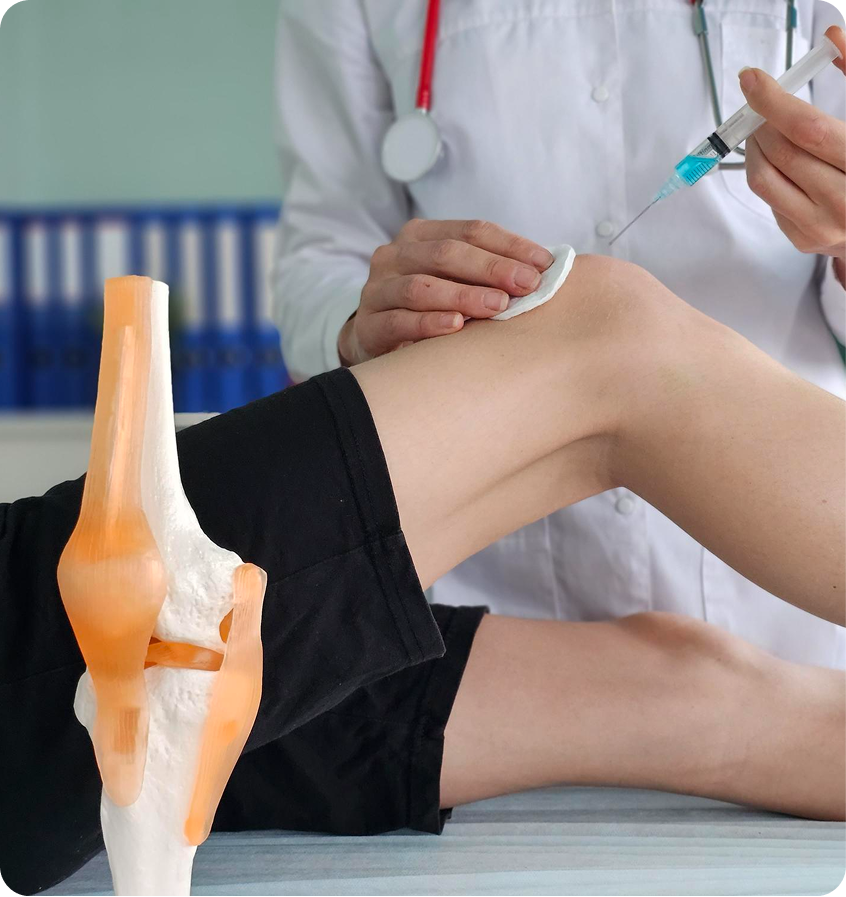
Regenerative medicine includes several treatment approaches that may be considered for selected musculoskeletal conditions. The appropriate option depends on the affected joint, extent of tissue damage, medical history, previous treatment, and individual goals.
Depending on the condition and clinical evaluation, a physician may discuss options such as:
- Stem Cell-Based Therapies: May be discussed as part of regenerative care for selected patients. Suitability depends on the individual condition, and treatment expectations should be reviewed with a qualified physician.
- PRP: Platelet-rich plasma is prepared from a patient’s own blood and contains concentrated platelets and associated growth factors. It may be considered for certain musculoskeletal conditions after evaluation.
- Extracellular Matrix: Certain extracellular matrix products may be considered in selected treatment plans to provide structural support. The specific product, intended use, risks, and regulatory considerations should be explained before treatment.
The goal of regenerative care is to address the patient’s individual condition while supporting comfort, joint function, stability, and a safe return to desired activities. No regenerative treatment can guarantee a particular outcome.
How it works
Potential Benefits of Regenerative Treatment for Ligament Injuries

Reduced Joint Discomfort
Treatment may help decrease discomfort associated with ligament problems and related joint instability in appropriately selected patients.

Improved Joint Stability
A personalized plan may focus on supporting joint function and helping patients work toward more confident movement.

Support for Soft-Tissue Recovery
Care may be designed around the affected ligament and surrounding tissues, with decisions based on the injury, symptoms, and recovery goals.

Non-Surgical Treatment Option
For some patients, regenerative care may be considered as part of a non-surgical approach. It does not replace surgical reconstruction when surgery is medically necessary.
Is Regenerative Treatment Right for Ligament Injuries?
You may be a candidate for an evaluation if:
- You have been diagnosed with a ligament condition.
- You experience persistent joint pain, swelling, weakness, or instability.
- Your condition limits work, sports, exercise, or everyday activities.
- Conservative treatments have provided limited relief.
- You want to understand treatment options before considering surgery.
- You are recovering from a sprain or partial tear.
- You want a personalized plan based on your diagnosis and goals.
Every patient receives a comprehensive evaluation to determine whether regenerative medicine may be appropriate for their condition.
What to Expect

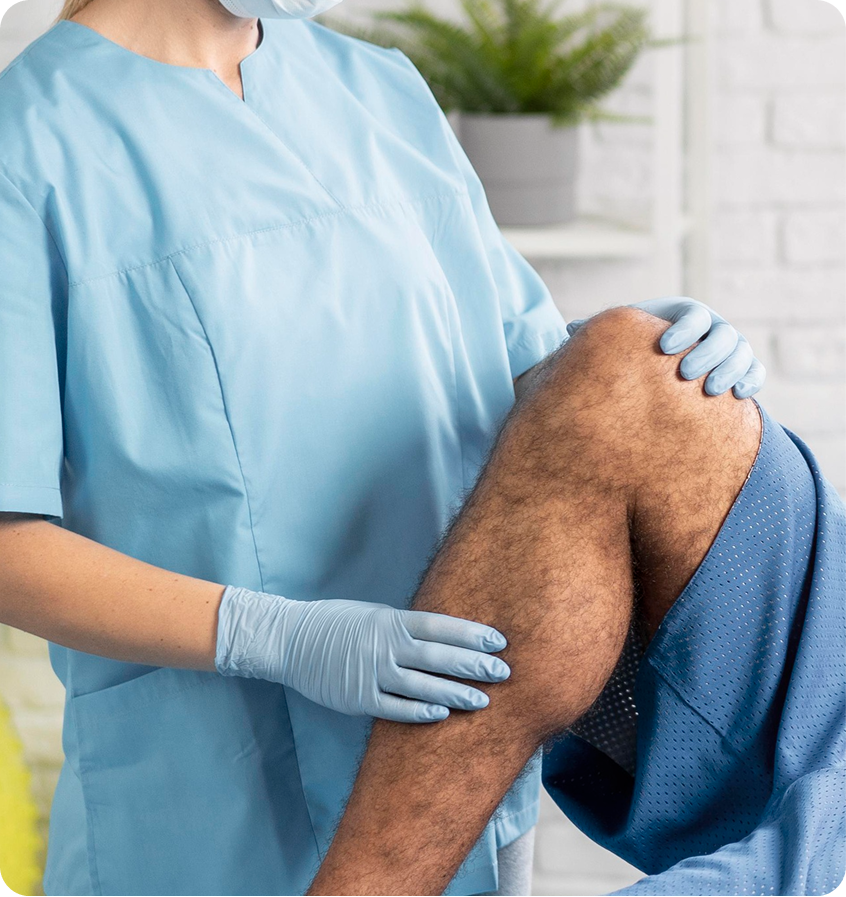
Comprehensive Evaluation
Our physicians review your symptoms, medical history, relevant imaging, and affected joint function to better understand the condition. This evaluation helps identify the affected structure and severity for patients seeking to understand how to diagnose ligament damage.

Personalized Treatment Plan
If appropriate, we develop a customized regenerative medicine strategy based on your diagnosis, activity level, treatment history, and recovery goals. Treatment planning should reflect the specific tissue involved, injury severity, and individual needs.

Ongoing Care & Follow-Up
Our team monitors your progress and provides continued support throughout your recovery journey. Follow-up may include reviewing symptoms, function, activity tolerance, and the next appropriate step in care.
FAQS
Frequently Asked Questions
What is a ligament injury?
This type of injury occurs when tissue that stabilizes a joint is stretched or damaged. Severity can range from a mild sprain to a partial or complete tear, and treatment depends on the affected structure and clinical findings.
What causes ligament injuries?
Common causes include sudden twisting, direct impact, falls, awkward landings, repetitive stress, and sports-related movements. The mechanism can help a physician determine which structures may have been affected.
Can regenerative medicine help ligament injuries?
Regenerative medicine may be considered for selected patients after a clinical evaluation. It is important to discuss potential benefits, limitations, alternatives, and risks with a physician rather than assuming a particular therapy is appropriate.
Will I need ligament reconstruction surgery?
Not every ligament problem requires reconstruction. The need for surgery depends on factors such as the type and severity of the injury, joint stability, functional limitations, associated damage, and response to non-surgical care.
How do I know if I am a candidate?
Candidacy depends on the diagnosis, symptoms, imaging findings, medical history, previous treatment, and overall goals. A physician evaluation can help determine whether regenerative care is appropriate and what other options should be considered.
Visit Our Dallas Clinic
(469) 501-1536
Serving Dallas: Southlake TX, Colleyville TX, Westlake TX, University Park TX, Highland Park TX, Flower Mound TX, Prosper TX, Celina TX, Fresco TX, Plano TX, Allen TX, Coppell TX
Take the First Step Toward Better Back Health
You do not have to let chronic back pain control your life. Learn whether regenerative medicine may help support your mobility, comfort, and long term spinal health.
Disclaimer: Stem cell therapies are not approved by the FDA to treat any condition, disease, or injury. Stem cells are not a cure for any condition, disease, or injury. The information on this page is provided for educational and informational purposes only and is not medical advice. Treatment decisions should be made with a qualified healthcare professional.