
Knee Arthritis Treatment in Dallas, TX
Personalized, Non-Surgical Knee Arthritis Treatment Built Around Your Diagnosis
Knee arthritis is a common cause of chronic joint pain and reduced mobility. As knee cartilage degeneration gradually wears down, activities like walking, climbing stairs, standing, and exercising can become difficult. Many people delay seeking treatment for arthritis of the knee until knee arthritis pain begins affecting daily life.
At Dallas Stem Cell Center, we provide physician-directed regenerative medicine therapies for patients exploring non-surgical knee arthritis treatment. Depending on imaging and symptoms, treatment may include stem cells, platelet-rich plasma (PRP), or extracellular matrix. Our personalized plans focus on mobility, joint function, and knee pain relief without surgery for patients across Dallas-Fort Worth, including those in our broader joint arthritis and orthopedic treatment programs.

-
Denver, CO 720.338.4491
-
Houston, TX 713.552.3142
-
Dallas, TX 214.934.8858
-
Scottsdale, AZ 602.834.3997
-
Fort Collins, CO 970.829.9012
-
Durango, CO 970.567.8258
-
Colorado Springs 720.338.4491
-
Oklahoma City 806.500.9948
-
Lubbock, TX 720.338.4491
-
Omaha, NE 402.612.2662
Tell Us About Your Condition
HOW CAN WE HELP YOU RIGHT AWAY?
Share your symptoms, concerns, or treatment goals, and a Care Coordinator will contact you to discuss your options. You can also reach our team directly through our contact page.

Patient Information
Contact form
Patient Information
Contact form
Common Symptoms of a
Knee Arthritis
Knee arthritis symptoms typically build gradually and become more noticeable during weight-bearing activity. If you recognize several of the signs below, it may be worth reviewing treatment options for knee arthritis with a physician before the joint restricts more of your routine.
Knee Pain
Persistent discomfort that may worsen during walking, standing, or physical activity. Pain that returns predictably after activity is one of the earliest reasons patients begin researching knee arthritis treatment.
Joint Stiffness
Difficulty bending or straightening the knee, especially after resting or waking up. Stiffness often eases with movement and returns after periods of inactivity.
Swelling
Inflammation around the knee joint that may affect movement and comfort.
Reduced Range of Motion
Limited flexibility that can interfere with daily activities and exercise, such as squatting, kneeling, or getting in and out of a car.
Grinding or Popping Sensations
A feeling of grinding, clicking, or popping during knee movement due to cartilage wear.
Joint Instability
A sensation that the knee may buckle or feel weak during walking or standing. Instability can also point to related issues such as a meniscus tear or a ligament injury, which is one reason imaging matters during evaluation.
How Regenerative Medicine for Knee Arthritis Works
Stem cells are often referred to as the body’s natural repair cells because of their ability to support tissue regeneration and healing processes. In knee stem cell therapy dallas, these biologics are directed toward the affected joint with the goal of supporting the tissue environment rather than removing or replacing it surgically. Depending on the severity of knee arthritis, physicians may recommend a combination of regenerative therapies including:
- Stem Cells: Designed to support the body's natural repair and regenerative capabilities. Stem cells for knee arthritis are selected as part of a plan matched to your diagnosis and imaging.
- PRP: Platelet-rich plasma containing natural growth factors that may support the body's healing response.
- Extracellular Matrix: Provides structural support that helps create an environment favorable for tissue repair.
The goal is to support the body’s natural healing response while helping patients reduce knee discomfort, improve mobility, and maintain an active lifestyle. Stem cell therapy for knee osteoarthritis treatment is not appropriate for everyone, and candidacy depends on the stage of cartilage wear, your overall health, and how your knee responds to conservative care.

How it works
Potential Benefits of Stem Cell Therapy for Knee Arthritis
Patients typically consider regenerative medicine for knee pain when conservative care has stopped delivering meaningful relief, but surgery still feels premature. Potential benefits vary by individual and are discussed during your evaluation.

Reduced Knee Pain
May help ease arthritis-related knee discomfort while supporting the joint environment instead of only masking symptoms.

Improved Mobility
Supports better knee movement, flexibility, and overall joint function for everyday activities.

Support for Joint Health
Designed to support cartilage, surrounding tissues, and a healthier overall joint environment.

Non-Surgical Treatment Option
May offer a non-surgical option for suitable patients looking to avoid or delay knee replacement.
Is Stem Cell Therapy Right for You?
You may be a candidate if:
- You experience chronic knee pain or stiffness
- Walking or climbing stairs has become difficult
- Your knee frequently swells after activity
- Conservative treatments have provided limited relief
- You want to avoid or delay knee replacement surgery
- Knee arthritis is affecting your daily routine
- You want to stay active and improve mobility
- You are looking for a personalized regenerative treatment plan
Every patient receives a comprehensive evaluation to determine whether regenerative medicine may be appropriate for their condition. Candidacy is a clinical decision, not a checkbox, and some patients are better served by other approaches.
What to Expect

Comprehensive Evaluation
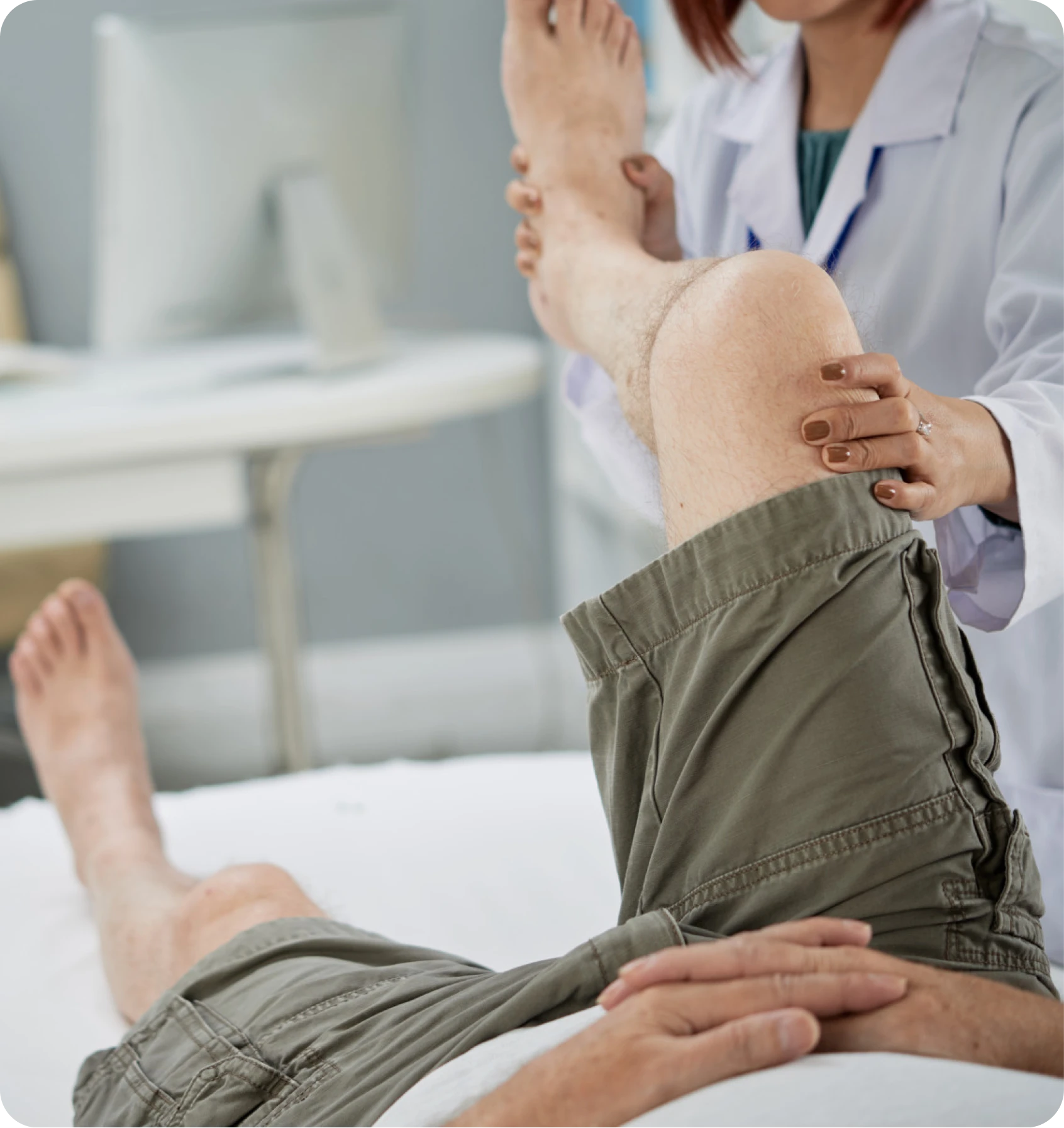
Our physicians assess your symptoms, medical history, imaging studies, and knee function to better understand your condition. If you have been searching for a knee arthritis specialist in Dallas, this consultation is where we determine whether your knee is a reasonable fit for regenerative care.

Personalized Treatment Plan
If appropriate, we develop a customized regenerative medicine strategy tailored to your diagnosis and lifestyle goals. Stem cell treatment for knee pain may be combined with PRP or extracellular matrix depending on what your evaluation shows.

Ongoing Care & Follow-Up
Our team monitors your progress and provides continued support throughout your treatment journey. You can also read patient testimonials or review financing options while you weigh your decision.
FAQS
Frequently Asked Questions
What causes knee arthritis?
Knee arthritis is commonly caused by cartilage wear over time, previous injuries, repetitive stress, or age-related joint degeneration. Prior sports injuries and untreated knee trauma can accelerate that wear.
What are the early signs of knee arthritis?
Common early symptoms include knee pain, stiffness, swelling, reduced flexibility, and discomfort during physical activity. Symptoms that appear after activity and improve with rest are often the first indication.
Can regenerative medicine help knee arthritis?
Some patients with knee arthritis may be candidates for regenerative medicine. Treatment recommendations are based on a comprehensive evaluation of your condition, including imaging and the degree of cartilage wear. Results vary, and regenerative therapy is not a cure for arthritis.
Will I need knee replacement surgery?
Not every patient requires surgery. Many individuals explore an alternative to knee replacement surgery before committing to a procedure, though advanced arthritis may still require surgical consultation.
How do I know if I am a candidate?
A comprehensive consultation with our physicians can help determine whether regenerative medicine may be appropriate for your condition. You can start by telling us about your condition or calling (469) 501-1536.
Visit Our Dallas Clinic
(469) 501-1536
Serving Dallas: Southlake TX, Colleyville TX, Westlake TX, University Park TX, Highland Park TX, Flower Mound TX, Prosper TX, Celina TX, Frisco TX, Plano TX, Allen TX, Coppell TX
Take the First Step Toward Better Back Health
You do not have to let chronic knee pain control your life. Find out whether non-surgical knee arthritis treatment may help support your mobility, comfort, and long-term joint health.
Tell us about your condition or call (469) 501-1536 to speak with our team.
Disclaimer: Stem cell therapies are not approved by the FDA. Stem cells are not a cure for any condition, disease, or injury. The information on this page is not medical advice and is provided for educational and informational purposes only. To learn more about FDA regulations, please visit the following link.