Medication & secondary stroke prevention
After experiencing a stroke or transient ischemic attack (TIA), many individuals focus on reducing future health risks and maintaining their overall well being. Long term care often involves a combination of medical management, lifestyle modifications, rehabilitation, and ongoing wellness support.
Trusted by patients across Dallas-Fort Worth seeking non-surgical treatment options.

-
Denver, CO 720.338.4491
-
Houston, TX 713.552.3142
-
Dallas, TX 214.934.8858
-
Scottsdale, AZ 602.834.3997
-
Fort Collins, CO 970.829.9012
-
Durango, CO 970.567.8258
-
Colorado Springs 720.338.4491
-
Oklahoma City 806.500.9948
-
Lubbock, TX 720.338.4491
-
Omaha, NE 402.612.2662
Medication & secondary stroke prevention Treatment
What Is Secondary Stroke Prevention?
Secondary stroke prevention refers to the ongoing medical care and lifestyle strategies used to help reduce the risk of future strokes after an individual has already experienced a stroke or TIA.
Because individuals who have experienced one stroke may have an increased risk of future events, long term health management often becomes an important part of care.
Secondary prevention strategies may include:
Physician directed medications
Blood pressure management
Cholesterol management
Blood sugar control
Healthy lifestyle changes
Regular medical monitoring
Rehabilitation and wellness programs
Why Long Term Stroke Prevention Matters
Following a stroke, many patients work closely with their healthcare providers to develop a plan that supports long term health and wellness.
Common Symptoms Include:
A proactive approach to health management may help individuals stay engaged in their recovery journey.

How it works
Our Post Stroke Wellness Evaluation Process
Every patient receives a comprehensive assessment designed to better understand their medical history, recovery progress, and wellness goals.

Comprehensive Consultation
We discuss your stroke history, current care plan, medications, lifestyle habits, and health objectives.

Condition Assessment
Our team reviews medical records, rehabilitation progress, and previous treatments when available.

Personalized Treatment Plan
A customized regenerative medicine and wellness plan is developed based on your individual goals and health considerations.

Ongoing Support
We continue monitoring your progress and provide guidance throughout your wellness journey.
The Role of Medications After a Stroke
Medications are often an important part of secondary stroke prevention and should always be managed under the guidance of a qualified healthcare provider.
Depending on individual needs, healthcare providers may prescribe medications that help manage:
- Blood Pressure :Maintaining healthy blood pressure levels is often an important component of stroke prevention.
- Cholesterol Levels: Some individuals may require medications that support cardiovascular health and cholesterol management.
- Blood Clot Prevention: Certain patients may be prescribed medications that help reduce clot related risks.
- Diabetes Management: Managing blood sugar levels may be an important part of reducing overall cardiovascular risk.
- Reduced reliance on pain medications
Never stop or adjust prescribed medications without consulting your healthcare provider.
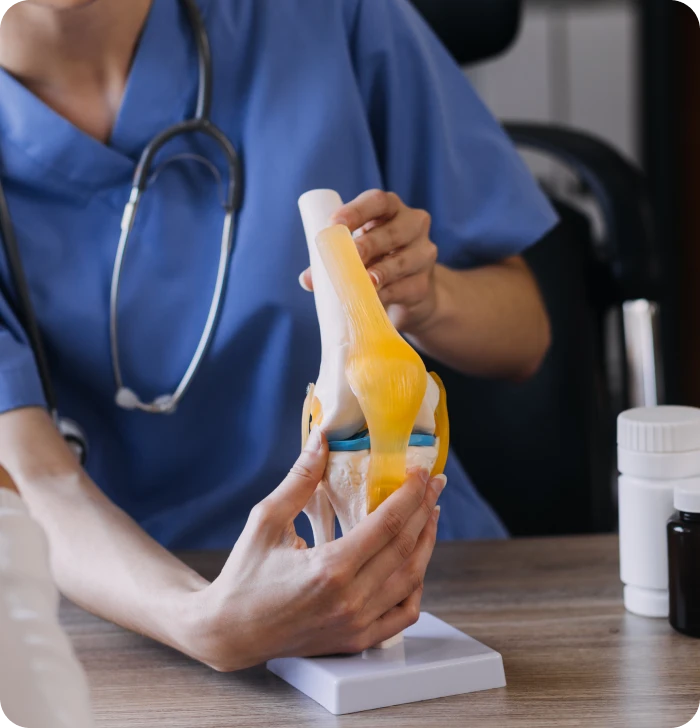
Why Patients Explore Regenerative Medicine After a Stroke
Many individuals seek additional wellness options that complement their ongoing medical care and rehabilitation efforts.
Regenerative medicine focuses on supporting the body’s natural healing response and is being explored as part of a comprehensive approach to patient care.
Patients often explore regenerative medicine to support:
Every patient’s experience is unique, and treatment outcomes vary based on individual circumstances.
Lifestyle Strategies That Support Long Term Health
Regular Physical Activity
Remaining active under medical guidance may support overall cardiovascular and physical wellness.
Healthy Nutrition
Balanced nutrition plays an important role in supporting overall health and wellness goals.
Medical Follow Up Care
Regular visits with healthcare providers help monitor ongoing health needs and risk factors.
Rehabilitation and Therapy
Many patients continue participating in rehabilitation programs following a stroke.
Wellness Focused Care
Long term wellness strategies can complement traditional medical care and support quality of life goals.
FAQS
Frequently Asked Questions
What is secondary stroke prevention?
Secondary stroke prevention refers to the ongoing medical and lifestyle strategies used to help reduce the risk of future strokes after an individual has already experienced a stroke or TIA.
Are medications important after a stroke?
Many patients are prescribed medications as part of their long term care plan. Medication decisions should always be made with a qualified healthcare provider.
Can lifestyle changes help support stroke prevention?
Healthy lifestyle habits are commonly recommended as part of a comprehensive long term health strategy following a stroke.
Can regenerative medicine prevent future strokes?
Regenerative medicine therapies are designed to support the body’s natural healing processes and overall wellness. They are not guaranteed to prevent future strokes, and individual results vary.
How do I know if regenerative medicine may be right for me?
A personalized consultation can help determine whether regenerative medicine may be appropriate based on your health history, recovery progress, and wellness goals.
Visit Our Dallas Clinic
3811 Turtle Creek Blvd, Suite 340 Dallas, TX 75219
(469) 501-1536
Serving Dallas, Fort Worth, Plano, Frisco, Allen, McKinney, Irving, Arlington, Richardson, and surrounding communities.
Take a Proactive Approach to Your Long Term Health
Stroke recovery does not end when rehabilitation is complete. Ongoing wellness, medical care, and healthy lifestyle choices all play an important role in supporting long term quality of life.