Stroke Treatment in Dallas, TX
A stroke can affect movement, speech, memory, coordination, and overall quality of life. At Dallas Stem Cell Institute, we provide regenerative medicine solutions designed to support the body’s natural healing processes and help patients pursue improved neurological function and recovery.
Trusted by patients across Dallas-Fort Worth seeking non-surgical treatment options.
-
Denver, CO 720.338.4491
-
Houston, TX 713.552.3142
-
Dallas, TX 214.934.8858
-
Scottsdale, AZ 602.834.3997
-
Fort Collins, CO 970.829.9012
-
Durango, CO 970.567.8258
-
Colorado Springs 720.338.4491
-
Oklahoma City 806.500.9948
-
Lubbock, TX 720.338.4491
-
Omaha, NE 402.612.2662
Tell Us About Your Condition
Stroke Treatment
What Is Stroke Treatment?
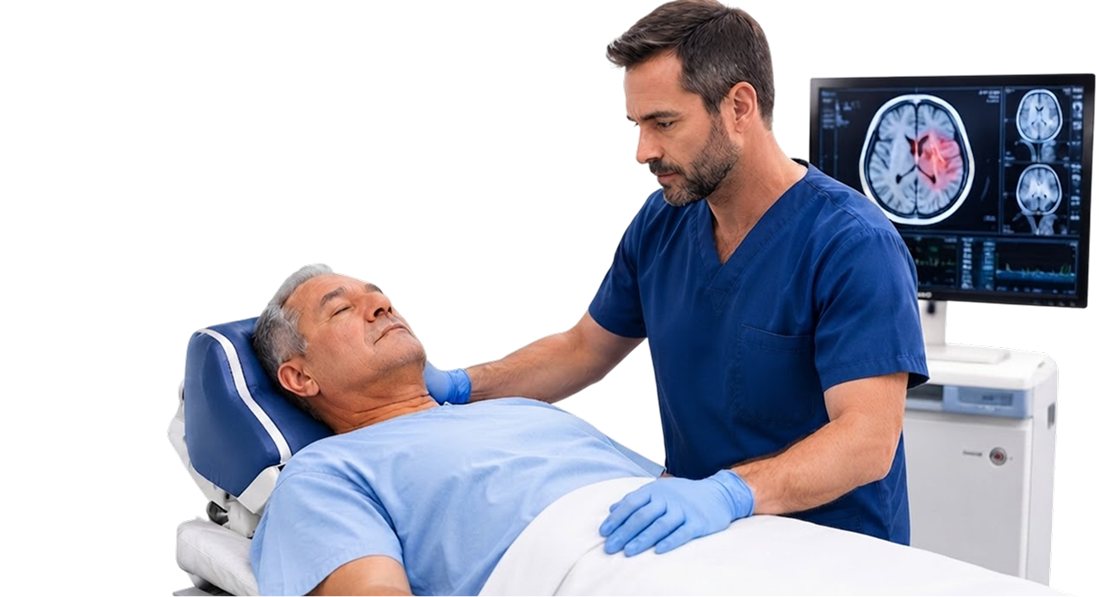
Stroke treatment focuses on helping patients recover physical, cognitive, and neurological function following a stroke. Depending on the severity and location of the brain injury, stroke survivors may experience difficulties with mobility, speech, balance, memory, or muscle control.
Stem cell therapy is being explored as a regenerative approach that may help support tissue repair, reduce inflammation, and encourage recovery mechanisms within the nervous system.
Although the exact cause of chronic fatigue syndrome remains unclear, researchers continue to study factors that may contribute to the condition.
Common factors associated with CFS may include:
Ischemic Stroke Recovery
Hemorrhagic Stroke Recovery
Mobility Impairment
Speech & Communication Challenges
Cognitive Function Support
Long-Term Stroke Symptoms
Common Signs of Stroke-Related Challenges
Stroke survivors may experience a wide range of symptoms that affect daily life and independence.
Common Symptoms Include:
- Muscle Weakness: Reduced strength affecting one side of the body.
- Difficulty Walking: Problems with balance, coordination, or gait.
- Speech Difficulties: Challenges speaking, understanding, or communicating effectively.
- Memory Problems: Issues with recall, concentration, or cognitive performance.
- Limited Mobility: Restricted movement affecting daily activities.
- Chronic Fatigue: Persistent exhaustion and reduced energy levels.
- Joint pain without swelling
- Headaches
- Increased fatigue after activity
- Challenges with daily activities

How it works
Our Stroke Recovery Evaluation Process
Every patient receives a comprehensive assessment designed to better understand their symptoms, health history, and wellness goals.

Medical History Review
We evaluate your stroke history, current symptoms, medications, and overall health status.

Functional Assessment
Our team examines mobility, strength, balance, speech, and cognitive function.

Personalized Treatment Planning
A customized regenerative medicine protocol is developed based on your needs and goals.

Ongoing
Monitoring
Progress is tracked through follow-up evaluations and recovery assessments.
Why Patients Explore Advanced Treatment Options for Stroke Recovery
Many patients seek advanced therapies when traditional rehabilitation alone has not delivered the improvements they hoped for.
Advanced treatment options is being studied for its potential to:
Individual results vary, and treatment outcomes cannot be guaranteed.

Common Causes of Stroke
Understanding stroke risk factors can help patients and families make informed healthcare decisions.
High Blood Pressure
One of the leading contributors to stroke risk.
Heart Disease
Cardiovascular conditions can increase the likelihood of stroke.
Diabetes
Poor blood sugar control may damage blood vessels over time.
Smoking
Tobacco use significantly increases stroke risk.
High Cholesterol
Can contribute to artery blockage and reduced blood flow.
Obesity & Inactivity
Lifestyle factors that may increase cardiovascular complications.
FAQS
Frequently Asked Questions
Is stem cell therapy approved for stroke treatment?
Stem cell therapy for stroke recovery is an evolving area of regenerative medicine. Eligibility and treatment options vary based on individual circumstances and current regulations.
Who may be a candidate for stroke treatment?
Candidates are typically individuals who have experienced a stroke and continue to experience neurological or functional limitations despite rehabilitation efforts.
How long after a stroke can treatment be considered?
Every case is different. Some patients seek treatment months or years after their stroke. A consultation is necessary to determine suitability.
How long does recovery take?
Recovery timelines vary depending on stroke severity, overall health, and individual response to treatment.
Can stem cell therapy replace rehabilitation?
No. Stem cell therapy is generally considered a complementary approach and is often combined with rehabilitation programs for comprehensive care.
How do I know if I'm eligible?
A detailed consultation and medical evaluation will help determine whether treatment may be appropriate for your situation.
Visit Our Dallas Clinic
3811 Turtle Creek Blvd, Suite 340 Dallas, TX 75219
(469) 501-1536
Serving Dallas: Southlake TX,
Colleyville TX,
Westlake TX,
University Park TX,
Highland Park TX,
Flower Mound TX,
Prosper TX,
Celina TX,
Fresco TX,
Plano TX,
Allen TX,
Coppell TX
Schedule Your Consultation Today
Learn whether stem cell therapy may be appropriate for your recovery journey.
Get Started Today
Tell Us About Your Condition
HOW CAN WE HELP YOU RIGHT AWAY?
Share your symptoms, concerns, or treatment goals and a Care Coordinator will contact you to discuss your options.