

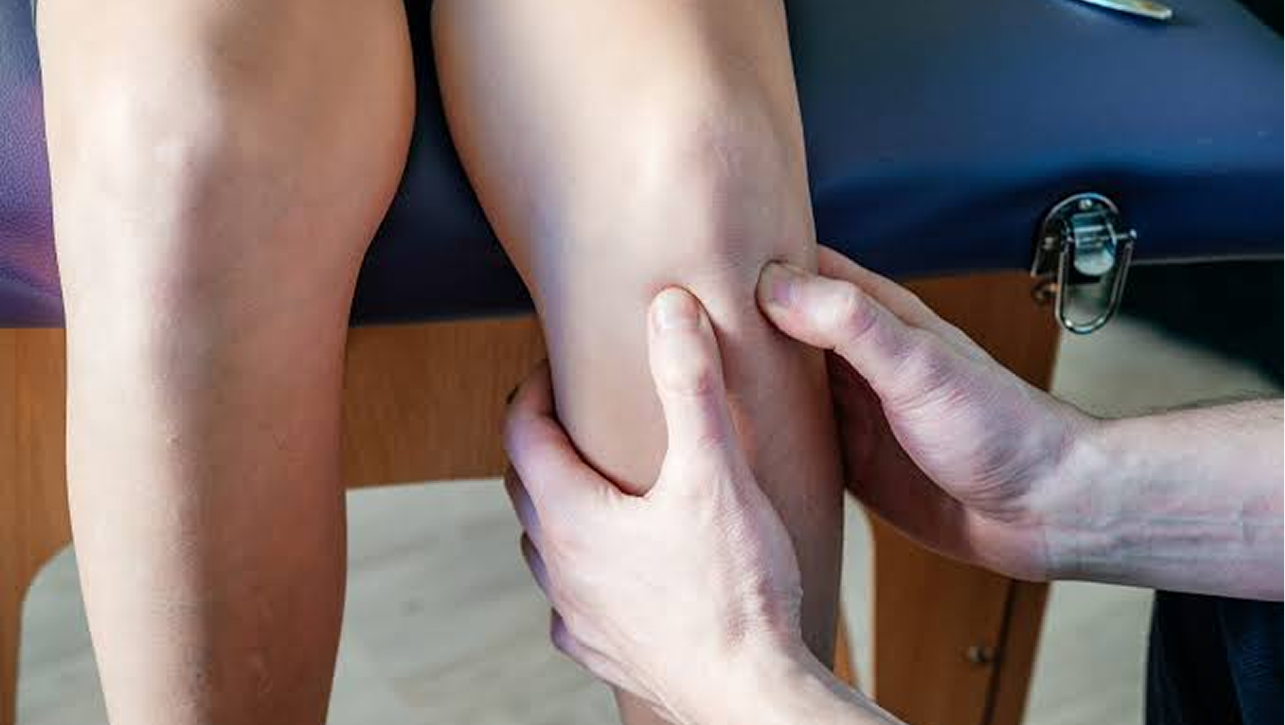
Knee pain can make ordinary activities difficult. Walking through a store, getting out of a chair, using stairs, exercising, or standing for long periods may become uncomfortable. The challenge is that several knee conditions can produce similar symptoms.
People searching for knee pain treatment in Dallas often wonder whether their pain is caused by knee arthritis, a meniscus tear, or both. Arthritis commonly causes gradually increasing pain and stiffness, while an acute meniscus tear often follows a twisting injury. However, swelling, reduced movement, instability, catching, and activity-related pain may occur with either condition.
A proper evaluation looks beyond a single symptom or imaging result. Your medical history, how the pain began, where it is located, what movements aggravate it, and how the knee behaves during an examination all help determine the likely source.
Why Knee Arthritis and Meniscus Tears Are Easy to Confuse
Both conditions affect structures inside the knee and can interfere with smooth joint movement. They can also occur at the same time, particularly in middle-aged and older adults.
How Knee Arthritis Develops
Knee osteoarthritis is a joint condition in which cartilage and other tissues within the joint gradually change and break down. Symptoms often develop slowly. Common complaints include pain during activity, stiffness after rest, swelling, reduced motion, and a feeling that the knee is loose or unstable. s can affect one part of the knee more than another. Some people primarily feel pain along the inside of the knee, while others notice discomfort near the kneecap or throughout the joint.
Previous injuries can also contribute to joint changes. Damage involving the meniscus, cartilage, ligaments, or bones may alter how weight passes through the knee, increasing stress on certain areas over time.
Patients can learn more about the condition through the website’s Knee Arthritis and Joint Arthritis resources.
How Meniscus Tears Happen
The menisci are two firm, rubbery cartilage structures between the thighbone and shinbone. They distribute pressure, absorb shock, and contribute to knee stability.
An acute tear may occur when the knee twists while the foot remains planted. Cutting, pivoting, squatting, or being struck during sports can cause this type of injury. Degenerative tears develop differently. As meniscal tissue becomes less resilient with age, an ordinary movement such as turning, kneeling, or rising from a chair may be enough to produce a tear. formation about injury patterns can be connected through the website’s Meniscus Tears and Sports Injuries pages.
Why Both Conditions May Be Present
Arthritis and meniscal damage frequently overlap. A person may have cartilage loss associated with osteoarthritis and a degenerative meniscal tear in the same knee.
This overlap is important because finding a tear on an MRI does not automatically prove that the tear is causing the pain. A population study involving adults between 50 and 90 found that meniscal abnormalities were common on MRI, including among people who did not report knee pain. Imaging findings must therefore be considered alongside the patient’s symptoms and physical examination. hat May Point Toward Knee Arthritis
No symptom can confirm arthritis on its own. Certain patterns, however, make arthritis more likely.
Gradually Increasing Pain
Arthritis pain often develops over months or years rather than beginning during one identifiable movement. At first, the knee may hurt only after prolonged walking, exercise, climbing stairs, or a physically demanding day.
As joint changes progress, discomfort may begin earlier during activity. Some people eventually experience pain while resting or sleeping, although symptom severity varies considerably.
Stiffness After Rest
A stiff knee after waking, sitting at a desk, driving, or watching television commonly occurs with osteoarthritis. The joint may feel difficult to bend at first and then loosen as the person begins moving.
NIAMS notes that osteoarthritis stiffness often occurs after inactivity and commonly lasts for a relatively short period. and Reduced Motion
Inflammation and changes within the joint can make the knee look or feel swollen. Bending deeply, kneeling, squatting, or fully straightening the leg may become uncomfortable.
Swelling can fluctuate. A person might feel reasonably comfortable in the morning but notice more tightness after a long day of standing or walking.
Grinding, Buckling, or Joint Noise
Some arthritic knees produce grinding, clicking, snapping, or creaking sensations. These sounds do not always mean serious damage, but they may be relevant when they appear with pain, swelling, or reduced movement.
Pain and muscle weakness may also create a sensation that the knee is buckling. Arthritis can occasionally produce catching or locking, so mechanical symptoms are not exclusive to meniscal injuries. hat May Point Toward a Meniscus Tear
Meniscus symptoms depend on the tear’s location, pattern, size, stability, and whether arthritis or ligament damage is also present.
Pain After Twisting or Pivoting
An acute meniscus tear often begins during a specific event. The person may pivot while playing sports, twist while carrying something, or turn suddenly on a planted foot.
Some patients feel or hear a pop. Many can continue walking immediately after the injury, but stiffness and swelling may increase during the following days. e Tenderness
Meniscus pain is frequently felt along the joint line, which is the space between the thighbone and shinbone. A medial meniscus tear typically causes tenderness along the inside of the knee, while a lateral tear may hurt along the outside.
Deep squatting, twisting, changing direction, or getting up from a low chair may reproduce the discomfort.
Catching or Locking
A torn portion of the meniscus may interfere with movement. The knee might catch briefly, feel as though something is moving inside it, or become difficult to straighten.
True mechanical locking means the knee physically cannot move through its usual range, rather than movement being limited only by pain. A displaced tear that restricts motion deserves prompt evaluation because earlier surgical treatment may sometimes be considered. and Instability
A meniscus tear may produce swelling, stiffness, reduced range of motion, or a feeling that the knee is giving way. These symptoms can resemble arthritis, ligament injuries, or other joint problems, which is why self-diagnosis is unreliable. itis vs. Meniscus Tear at a Glance
| Feature | Knee Arthritis | Meniscus Tear |
| Typical onset | Usually gradual | May be sudden or gradual |
| Common cause | Progressive joint tissue changes, aging, prior injury, joint mechanics | Twisting injury or degeneration of meniscal tissue |
| Pain pattern | Often worsens with weight-bearing activity | Often worsens with twisting, pivoting, squatting, or deep bending |
| Stiffness | Common after rest or inactivity | May develop after injury or swelling |
| Swelling | May fluctuate with activity | May increase during the days following an injury |
| Catching or locking | Possible, but less specific | More suggestive when caused by displaced tissue |
| Grinding or creaking | Commonly reported | Less characteristic |
| Imaging commonly considered | Weight-bearing X-rays, sometimes MRI | MRI for suspected acute tear when needed |
| Initial treatment | Usually non-surgical | Often non-surgical when the tear is stable and motion is preserved |
| Surgery considered | Persistent disability despite appropriate treatment | Displaced tears, repairable tears, continued symptoms, or failed conservative care |
This comparison can help organize symptoms, but it cannot replace an examination. A person may fit more than one column, especially when degenerative meniscal damage accompanies osteoarthritis.
What Causes Each Condition?
Understanding how the symptoms began often provides the first useful clue.
Common Causes of Knee Arthritis
Osteoarthritis involves more than simple wear. Cartilage, bone, joint lining, ligaments, muscles, and other tissues may all contribute to pain and reduced function.
Factors that may influence knee osteoarthritis include:
- Increasing age
- A previous fracture, ligament injury, or meniscus injury
- Repetitive stress on the joint
- Excess body weight
- Abnormal joint structure or alignment
- Muscle weakness
- Family and genetic factors
Younger adults can develop osteoarthritis, particularly after a significant injury or when joint structure changes how forces move through the knee. uses of Acute Meniscus Tears
Acute tears often occur during movements combining knee flexion and rotation. Sports involving rapid direction changes are common settings, but a tear can also happen during work, exercise, or a household activity.
An acute meniscal injury may occur with an anterior cruciate ligament injury or other structural damage. The 2024 AAOS guideline for acute isolated meniscal injuries does not apply when major accompanying ligament, cartilage, or bone injuries are present, which highlights the importance of identifying all involved structures. uses of Degenerative Meniscus Tears
Meniscal tissue can become thinner and more vulnerable over time. Degenerative tears may appear without a major accident and often coexist with osteoarthritis.
Imagine a person who notices inside-knee pain after turning while getting out of a car. An MRI later shows a degenerative meniscus tear and arthritis. The tear may contribute to the symptoms, but the imaging result alone cannot determine which structure is primarily responsible.
How a Knee Evaluation Identifies the Likely Problem
A useful evaluation combines several types of information rather than depending on one test.
Reviewing How the Pain Began
The clinician may ask:
- Did the pain begin suddenly or gradually?
- Was there a twisting injury, fall, collision, or pop?
- Where is the pain located?
- Does the knee swell immediately or later?
- Does it catch, lock, grind, or give way?
- Which daily activities have become difficult?
- What treatments have already been attempted?
- Is there a history of knee surgery or previous injury?
Gradually worsening symptoms without a clear injury may suggest arthritis or degenerative meniscal damage. Sudden joint-line pain after a pivoting movement may raise greater concern for an acute meniscus tear.
Examining Movement and Stability
During the examination, the clinician may evaluate swelling, tenderness, walking pattern, alignment, muscle strength, range of motion, and ligament stability.
For suspected acute meniscus tears, joint-line tenderness and tests such as the McMurray and Thessaly maneuvers may support the diagnosis. AAOS reports that combining examination findings may provide better diagnostic accuracy than relying on one maneuver alone. ng Other Possible Causes
Not every painful knee is caused by arthritis or a meniscus tear. Tendon irritation, bursitis, kneecap problems, ligament injuries, stress fractures, gout, inflammatory arthritis, infection, referred hip pain, and nerve-related symptoms can produce overlapping complaints.
The purpose of an evaluation is therefore not simply to choose between two diagnoses. It is to identify the structures most likely responsible and rule out conditions requiring a different approach.
When Imaging May Be Recommended
Imaging decisions depend on the symptom pattern, examination, age, injury history, and whether the result is likely to change treatment.
X-Rays for Suspected Arthritis
Weight-bearing X-rays can show changes in bone and joint structure, including reduced joint space, bone spurs, and remodeling. They may also reveal alignment problems or arthritis affecting a particular compartment.
Early cartilage and soft tissue changes may not appear clearly on an X-ray. A person can experience symptoms even when initial X-rays show limited structural change. uspected Meniscal Injury
MRI provides detailed images of the menisci, cartilage, ligaments, tendons, bone marrow, and other soft tissues. AAOS identifies MRI as the preferred imaging method for diagnosing an acute meniscal tear because of its accuracy. Ultrasound or CT arthrography may be considered in certain situations when MRI is unavailable or unsuitable. particularly useful when:
- The knee locks or repeatedly gives way
- An acute tear is suspected
- Symptoms continue despite initial care
- Surgery is being considered
- The diagnosis remains unclear
- Additional ligament or cartilage damage is possible
Why an MRI Finding Is Not the Whole Diagnosis
Degenerative tears are frequently visible in adults who have no related symptoms. For that reason, the clinician must determine whether the tear’s location and pattern correspond with the patient’s pain and examination.
Treating an image instead of the person may lead to unnecessary procedures or disappointment when another structure is generating the symptoms. al Knee Treatment Options
Most patients with knee arthritis and many patients with meniscus tears begin with conservative care. The appropriate combination depends on the diagnosis, symptom severity, medical history, activity goals, and previous response to treatment.
Activity Modification
Complete inactivity can increase weakness and stiffness. The goal is usually to temporarily reduce movements that aggravate the knee while maintaining safe activity.
A person with arthritis may replace running with cycling, swimming, water exercise, or controlled walking. Someone with a suspected meniscus tear may temporarily avoid pivoting, deep squatting, and rapid direction changes.
Activity can then be increased gradually as pain, swelling, strength, and movement improve.
Physical Therapy and Exercise
Physical therapy may focus on:
- Restoring knee motion
- Strengthening the quadriceps, hamstrings, hips, and core
- Improving balance and movement control
- Reducing stress on painful joint areas
- Correcting walking or exercise mechanics
- Building a safe return-to-activity plan
Exercise is a central part of osteoarthritis management because it can reduce stiffness, improve strength, and support daily function. Physical therapy may also benefit patients with stable, non-displaced meniscus tears and those recovering from meniscus surgery. andomized trial involving adults with degenerative meniscal tears found that exercise-based physical therapy was not inferior to arthroscopic partial meniscectomy for patient-reported knee function. These results support beginning with structured rehabilitation for many degenerative, non-locking tears. nagement
When appropriate, reducing excess body weight can decrease the load placed on the knee during walking, climbing, and standing.
Weight management is not presented as a judgment or a complete solution. It is one part of a broader plan that may make exercise more comfortable and improve mobility for some people with knee osteoarthritis. nd Support
A knee sleeve may provide compression and a sense of support. Certain arthritis patterns may benefit from an unloading brace that shifts pressure away from the more affected side of the knee.
A cane can also reduce pressure and improve confidence during walking when it is correctly sized and used on the appropriate side. Bracing should match the diagnosis rather than being selected only by appearance or online reviews. n Considerations
A clinician may discuss topical or oral anti-inflammatory medication, acetaminophen, or other symptom-management options. The choice depends on the patient’s kidney function, heart health, digestive history, medications, allergies, and other medical conditions.
Topical and oral nonsteroidal anti-inflammatory drugs can improve pain and function for some people with knee osteoarthritis, but they are not appropriate for everyone. Medication risks and interactions should be reviewed with a qualified healthcare professional. eroid Injections
A corticosteroid injection may provide temporary relief from inflammation and arthritis pain. It does not rebuild cartilage or repair a torn meniscus, and the duration of relief varies.
Repeated injections require careful consideration because frequent or prolonged use may have unwanted effects on joint tissues. The timing of injections may also matter when surgery is being considered. oring a broader range of conservative options can be directed to the website’s Orthopedic Treatments page.
Regenerative Medicine Considerations
Regenerative and orthobiologic treatments are frequently discussed by patients seeking non-surgical knee treatment. These options should be considered only after the diagnosis, treatment goals, evidence, regulatory status, limitations, and alternatives have been clearly explained.
Platelet-Rich Plasma
Platelet-rich plasma, commonly called PRP, is prepared from a sample of the patient’s blood. The platelets are concentrated and injected into the targeted area.
PRP is intended to influence the local healing and inflammatory environment. Research results vary because preparation methods, platelet concentrations, injection techniques, arthritis severity, and patient selection differ between studies.
AAOS describes PRP as a treatment that shows promise, while also noting that clinical evidence has not yet established consistent value for every person with knee osteoarthritis. It should not be presented as guaranteed cartilage regrowth or a certain way to avoid surgery. d Products
Treatments described as stem cell therapy may involve different tissue sources, collection methods, processing techniques, cell types, and regulatory categories. These differences matter. Two treatments marketed under the same general name may not contain the same material or have the same evidence.
The FDA states that no stem cell products are approved for orthopedic conditions such as osteoarthritis, knee pain, or meniscus injuries. The only FDA-approved stem cell products currently consist of blood-forming cells used for certain blood-related disorders, not orthopedic treatment. roducts
Exosomes are small particles involved in communication between cells. They are being studied for possible medical applications, but research should not be confused with established clinical approval.
The FDA states that there are currently no FDA-approved exosome products. It has also warned about serious adverse events and misleading claims involving unapproved exosome products. to Ask Before Considering a Regenerative Procedure
Patients considering PRP, cell-based treatments, or another orthobiologic procedure should ask:
- What exactly is being injected?
- Where does the material come from?
- How is it collected and processed?
- Is the intended use FDA-approved?
- Is the treatment part of an FDA-supervised clinical trial?
- What evidence applies to my diagnosis and arthritis severity?
- Is the goal pain reduction, improved function, tissue healing, or something else?
- What outcomes are realistic?
- What risks or adverse effects have been reported?
- What happens if the treatment does not help?
- What proven alternatives remain available?
- Will receiving the injection delay necessary care?
A responsible discussion should include both possible benefits and limitations. Regenerative medicine should not replace an accurate diagnosis or delay treatment for a displaced tear, infection, fracture, severe instability, or advanced joint damage.
When Surgery May Still Be Necessary
Non-surgical treatment is often appropriate, but it is not the correct choice for every knee problem.
Surgery for an Acute Meniscus Tear
Earlier surgical evaluation may be appropriate when a tear is displaced, repeatedly blocks movement, or appears repairable in a patient whose symptoms and injury pattern support intervention.
The 2024 AAOS guideline states that displaced or displacing acute tears that restrict range of motion may benefit from acute surgery. When surgery is indicated, preserving as much functional meniscal tissue as possible is recommended to reduce future osteoarthritis risk. fter Conservative Treatment
Some patients continue to experience pain, swelling, or functional limitations despite an appropriate period of rehabilitation and activity modification.
For acute tears that do not improve with conservative care, surgical treatment within six months may produce better outcomes in selected cases. That guidance does not mean every patient should wait six months or undergo surgery at six months. The decision depends on tear pattern, motion, repair potential, activity goals, and clinical judgment. or Advanced Knee Arthritis
Knee replacement may be discussed when arthritis causes persistent pain, major activity limitations, rest or nighttime pain, deformity, or chronic swelling that has not responded adequately to non-surgical treatment.
Recommendations are based more on pain, disability, joint damage, overall health, and treatment response than on age alone. to Ask During a Knee Evaluation
A well-informed patient should leave the appointment understanding the likely diagnosis and the reasoning behind the treatment plan.
Consider asking:
Questions About the Diagnosis
- Which structure is most likely causing my pain?
- Do my symptoms fit arthritis, a meniscus tear, or both?
- Is the tear acute, degenerative, stable, displaced, or repairable?
- Could another condition be contributing?
- What findings from the examination support the diagnosis?
Questions About Imaging
- Do I need an X-ray, MRI, or another test?
- How would the imaging result change treatment?
- Does the abnormality shown on my scan match my symptoms?
- Could any findings be age-related and unrelated to the pain?
Questions About Non-Surgical Care
- Which activities should I temporarily limit?
- Which exercises are safe?
- Would physical therapy, medication, bracing, or an injection be reasonable?
- How will progress be measured?
- When should the treatment plan be reconsidered?
Questions About Procedures
- What evidence supports this procedure for my exact diagnosis?
- What improvement is realistic?
- What are the risks and limitations?
- Is the product FDA-approved for this use?
- What alternatives should I try first?
- Could delaying surgery reduce the chance of repairing the meniscus?
Planning Your Next Step for Knee Pain Treatment in Dallas
The difference between arthritis and a meniscus tear cannot always be determined from symptoms alone. Arthritis may cause stiffness, swelling, grinding, and gradually worsening activity-related pain. A meniscus tear may be more likely after twisting, particularly when joint-line tenderness, catching, or true locking develops. Yet both problems can exist in the same knee.
The best knee arthritis treatment Dallas patients receive should address more than an X-ray. Likewise, effective meniscus tear treatment Dallas patients consider should not be based only on the presence of a tear on MRI. Treatment decisions should reflect the complete clinical picture.
For many patients, an initial plan may include activity changes, rehabilitation, strengthening, weight management when appropriate, bracing, medication review, or carefully selected injections. Regenerative procedures require additional discussion about evidence, product source, regulatory status, cost, risks, and realistic goals.
Surgery may still be necessary when the knee is mechanically locked, a repairable tear needs timely treatment, symptoms continue despite conservative care, or advanced arthritis significantly limits daily life.
A detailed evaluation can help identify which condition is driving the symptoms and whether a non-surgical knee treatment plan is appropriate. Related information can be connected through the website’s Orthopedic Treatments, Knee Arthritis, Joint Arthritis, Meniscus Tears, and Sports Injuries pages.