
Facing an orthopedic surgery recommendation brings a mix of relief and hesitation. While surgical joint replacement or spinal fusion can relieve severe debility, an operation involves major anesthesia, hospital stays, surgical risks, and months of intensive rehabilitation. Many North Texas residents find themselves wondering whether they have truly evaluated every conservative path before committing to the operating table.
Non-surgical regenerative medicine has emerged as a distinct medical discipline for individuals navigating this pre-surgical window. Rather than masking joint symptoms with temporary numbing agents or immediately replacing native anatomy with metal and plastic implants, orthobiologics utilize the body’s own concentrated cellular components to modulate inflammation and support joint function.
Evaluating non-surgical regenerative medicine in Dallas requires clear facts, realistic expectations, and an objective look at medical evidence. Not every patient is a candidate for cellular therapy, and some severe structural conditions still demand surgical intervention. Understanding how these therapies function, where regulatory oversight stands, and what questions to ask during a clinical evaluation helps you make a confident, well-informed healthcare decision.
The Critical Decision Window Before Joint or Spine Surgery
A surgical recommendation often feels like an urgent ultimatum, yet most chronic joint conditions develop over years. Unless you are dealing with an acute trauma, a progressive neurological deficit, or severe mechanical instability, you generally have time to seek a second opinion and evaluate less invasive options. This period represents the pre-surgical decision window.
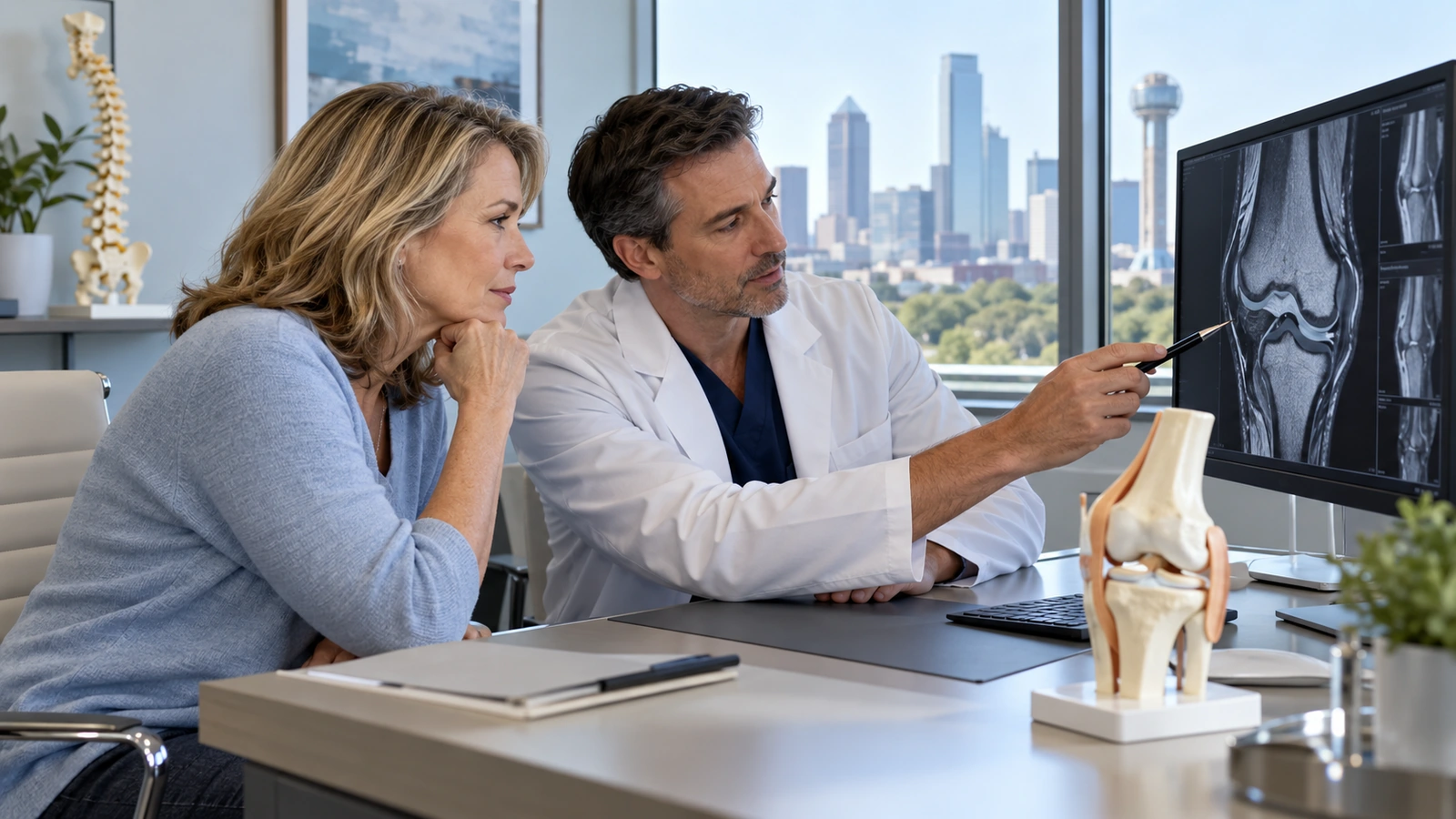
Orthopedic surgery carries inherent trade-offs. Total joint arthroplasty permanently removes your native bone and cartilage, replacing them with prosthetic components that have a finite lifespan. Spinal fusion permanently welds vertebrae together, altering spinal biomechanics and potentially transferring excessive stress to adjacent spinal segments. For older individuals with severe joint collapse, these surgeries can be life-changing. For middle-aged, active individuals with moderate joint deterioration, premature surgery can lead to revision operations later in life.
Within the broader spectrum of orthopedic care, treatment typically advances through four distinct stages:
-
Standard Conservative Care: First-line measures including physical therapy, lifestyle adjustments, targeted unloading braces, and oral anti-inflammatory medications.
-
Interventional Symptom Management: Traditional injections such as corticosteroids or viscosupplementation gels aimed at short-term symptom relief.
-
Orthobiologics and Non-Surgical Cellular Care: Autologous cellular therapies, such as bone marrow aspirate concentrate and platelet-rich plasma, designed to alter joint biology and preserve native anatomy before surgical intervention.
-
Surgical Reconstruction: Invasive operative procedures ranging from arthroscopic tissue debridement to complete joint arthroplasty or spinal fusion.
During this decision window, patients commonly evaluate how non-surgical regenerative medicine in Dallas can bridge the gap between temporary conservative measures and irreversible surgical procedures. The goal is not to dismiss surgery entirely, but to ensure that less invasive cellular treatments have been thoroughly reviewed first.
What Non-Surgical Regenerative Medicine Means in Modern Practice
The field of regenerative medicine is often misunderstood because popular media frequently portrays cellular therapies as overnight cures. In clinical orthopedics, the discipline is more accurately referred to as orthobiologics. This medical branch applies naturally occurring biological substances to musculoskeletal injuries and degenerative joint conditions.
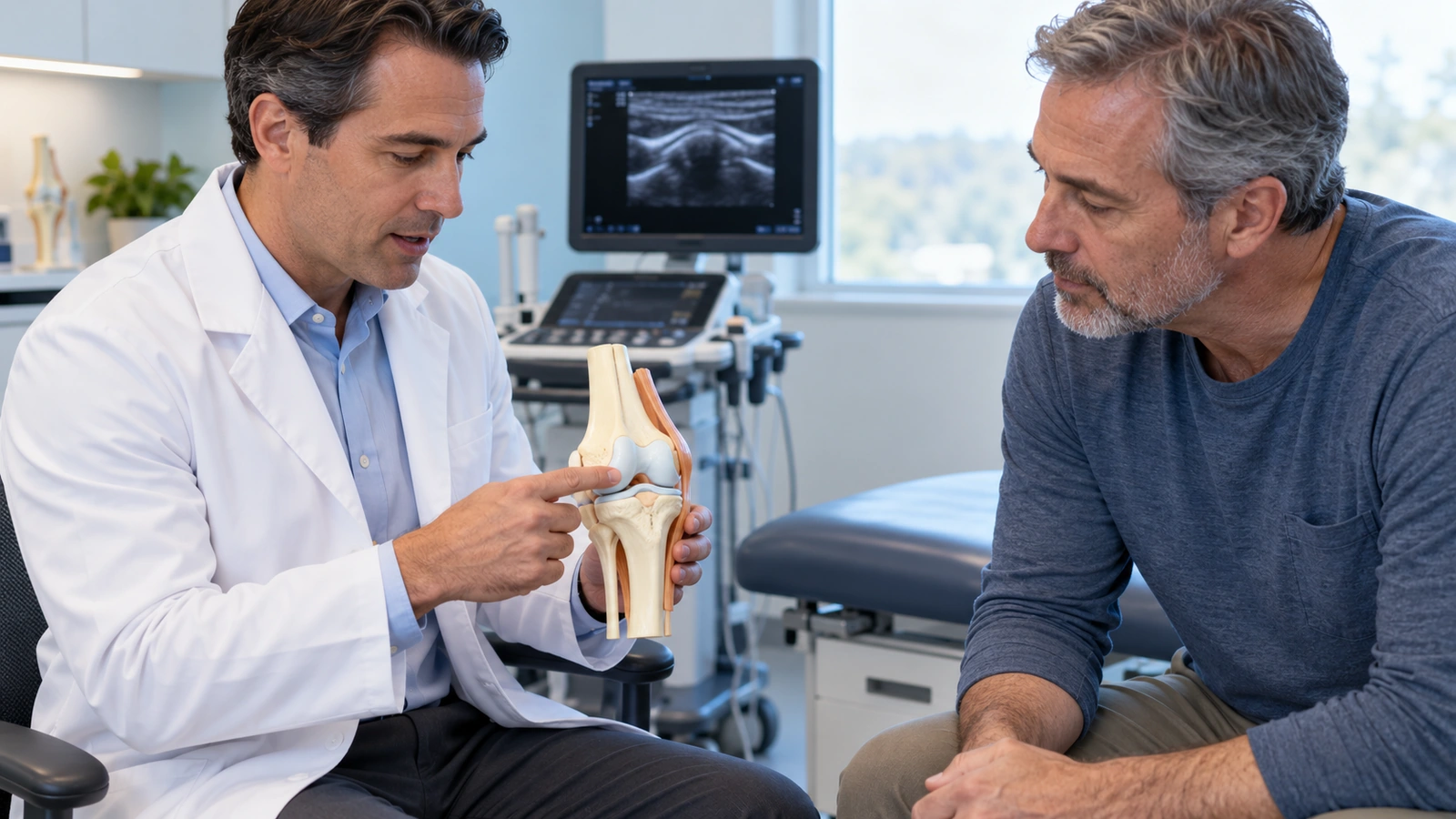
Moving Beyond Synthetic Masking Agents
Standard medical practice for joint discomfort has long relied on non-steroidal anti-inflammatory drugs and corticosteroid injections. While a cortisone shot can rapidly suppress acute swelling, orthopedic literature demonstrates that repeated corticosteroid injections into a joint capsule may accelerate cartilage loss over time. Cortisone acts as a catabolic agent, meaning it breaks down tissue while suppressing local inflammation.
Orthobiologic care takes an anabolic approach. By delivering concentrated autologous growth factors or cellular signaling proteins directly to the affected joint capsule, tendon, or ligament, these procedures attempt to alter the joint environment. The focus shifts from merely blocking pain signals to calming the destructive inflammatory cascade that breaks down cartilage matrix proteins.
The Role of Cellular Signaling
A common misconception is that receiving an injection of cellular material will instantly regrow a brand-new cushion of pristine joint cartilage. Current scientific evidence shows that injected adult cells rarely transform into complete sheets of new cartilage inside a degenerated joint. Instead, these cells act primarily through paracrine signaling.
When concentrated cells enter a joint environment, they release anti-inflammatory cytokines, growth factors, and extracellular vesicles. These bioactive molecules signal local joint tissues to halt destructive enzymatic breakdown, quiet down chronically irritated synovium, and foster an environment where damaged tissues can stabilize. By downregulating destructive enzymes and inhibiting pro-inflammatory markers, the treatment works to calm joint inflammation, relieve persistent discomfort, and support functional mobility without surgical cutting.
How Orthobiologics Compare to Traditional Care and Joint Replacement
Choosing the right intervention requires weighing the benefits, risks, recovery times, and clinical objectives of each available modality. The table below outlines how non-surgical cellular therapies compare against standard conservative measures and total joint replacement.
| Treatment Modality | Primary Clinical Mechanism | Typical Longevity of Effect | Downtime & Recovery | Structural Impact on Native Anatomy |
| Corticosteroid Injections | Rapid suppression of immune response and inflammation | Short-term (typically 3 to 12 weeks) | Immediate return to activity (24 hours rest) | Potential catabolic acceleration of cartilage degeneration with repeated use |
| Viscosupplementation (Gel Injections) | Mechanical lubrication with synthetic or avian hyaluronic acid | Temporary (3 to 6 months) | Minimal downtime (mild stiffness for 48 hours) | Neutral; does not actively reverse degeneration or alter underlying biology |
| Platelet-Rich Plasma (PRP) | High concentration of autologous platelets releasing healing growth factors | Medium to long-term (often 9 to 18 months) | Low (soreness for 2 to 5 days, light activity for 2 weeks) | Protective; modulates synovial inflammation and promotes soft tissue healing |
| Bone Marrow Aspirate Concentrate (BMAC) | Autologous nucleated cells, signaling cytokines, and anti-inflammatory proteins | Extended (often multiple years, varying by patient) | Moderate (soreness at harvest and injection sites for several days) | Joint-preserving; alters catabolic joint environment while retaining native joint structures |
| Total Joint Arthroplasty (Surgery) | Complete surgical excision of native articular bone and cartilage; prosthetic replacement | Long-term (15 to 20 years before mechanical wear considerations) | High (3 to 6 months of physical therapy; 1 year for full functional recovery) | Irreversible removal of living bone and native ligament architecture |
Evaluating these differences allows patients to align their treatment choice with their personal risk tolerance, professional commitments, and physical goals. Exploring a detailed regenerative medicine Dallas guide provides additional context on how these treatment tiers interact within a comprehensive care plan.
Exploring Bone Marrow Aspirate Concentrate (BMAC)
When discussing true cellular therapy for orthopedic joints in the United States, autologous bone marrow aspirate concentrate stands as the most clinically validated and legally compliant modality. Patients seeking alternatives to joint replacement frequently explore this biological approach.
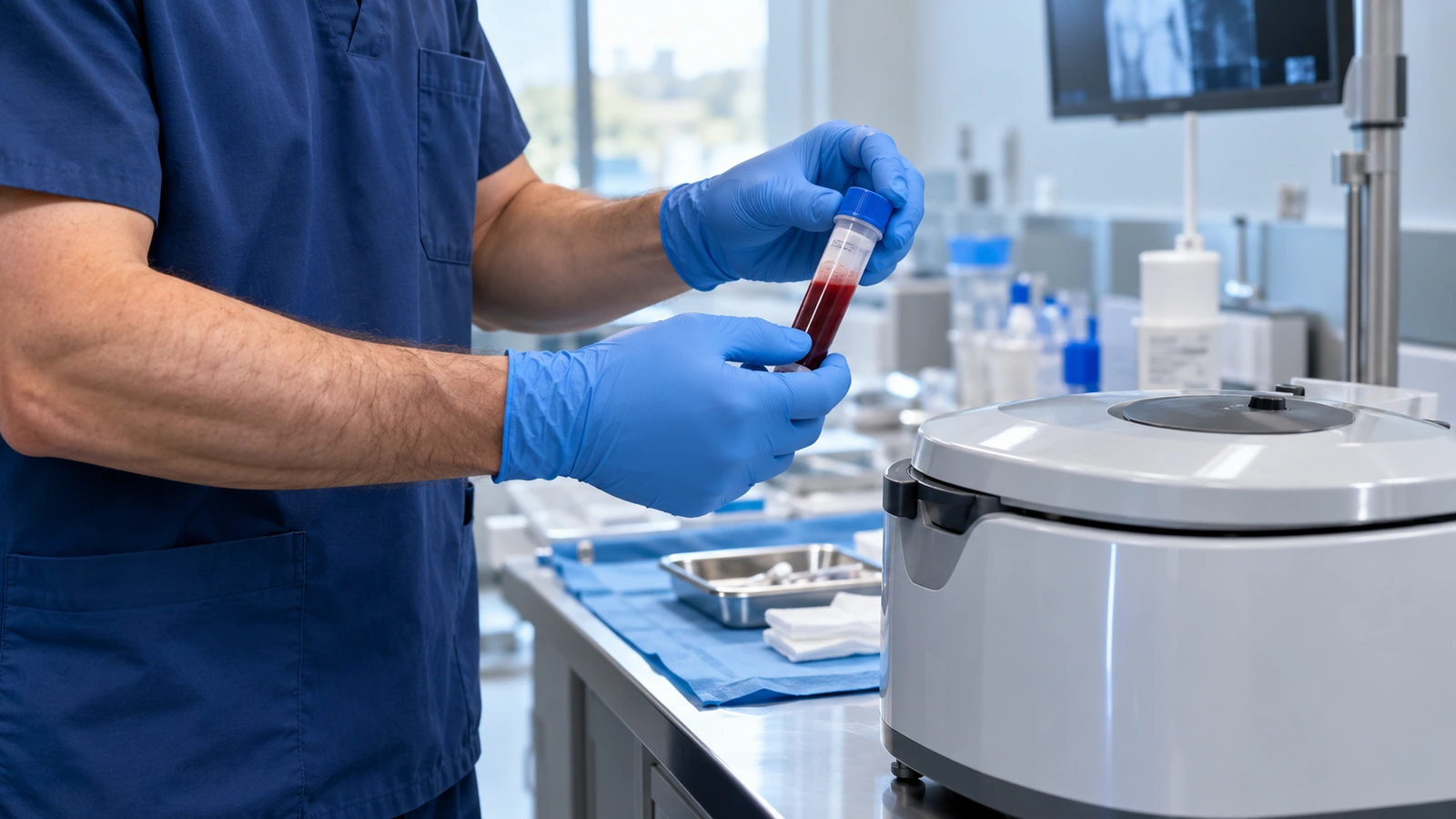
The therapy follows a defined, outpatient sequence that begins with gentle local numbing over the posterior iliac crest of the pelvis. A specialized cannula gently draws liquid marrow containing dormant repair cells. That aspirate is processed chairside in a specialized centrifuge to concentrate the nucleated cells and protective proteins into a small, potent volume. Finally, the physician delivers this concentrate directly into the damaged joint capsule using precision imaging.
The Biology of Bone Marrow
Bone marrow contains a rich pool of cellular elements. Inside the pelvic bone lies a reserve of hematopoietic stem cells, mesenchymal signaling cells, endothelial progenitor cells, and essential anti-inflammatory proteins such as interleukin-1 receptor antagonist (IL-1Ra).
Interleukin-1 is one of the primary inflammatory drivers responsible for breaking down joint cartilage and generating arthritic pain. By delivering concentrated IL-1Ra directly from your own marrow, BMAC acts as a targeted biological brake on this degenerative process. Physicians specializing in BMAC therapy in Dallas utilize these living biological mechanisms to manage joint pain.
What the Procedure Involves
Because BMAC utilizes your own living tissue, the entire procedure occurs in an outpatient setting during a single visit. The process involves three distinct clinical stages:
-
Aspiration: The physician numbs the back of your pelvic bone (the posterior iliac crest) with local anesthetic. Using a specialized needle and syringe, a small volume of liquid bone marrow is gently withdrawn. Most patients report feeling pressure rather than sharp pain during this aspiration.
-
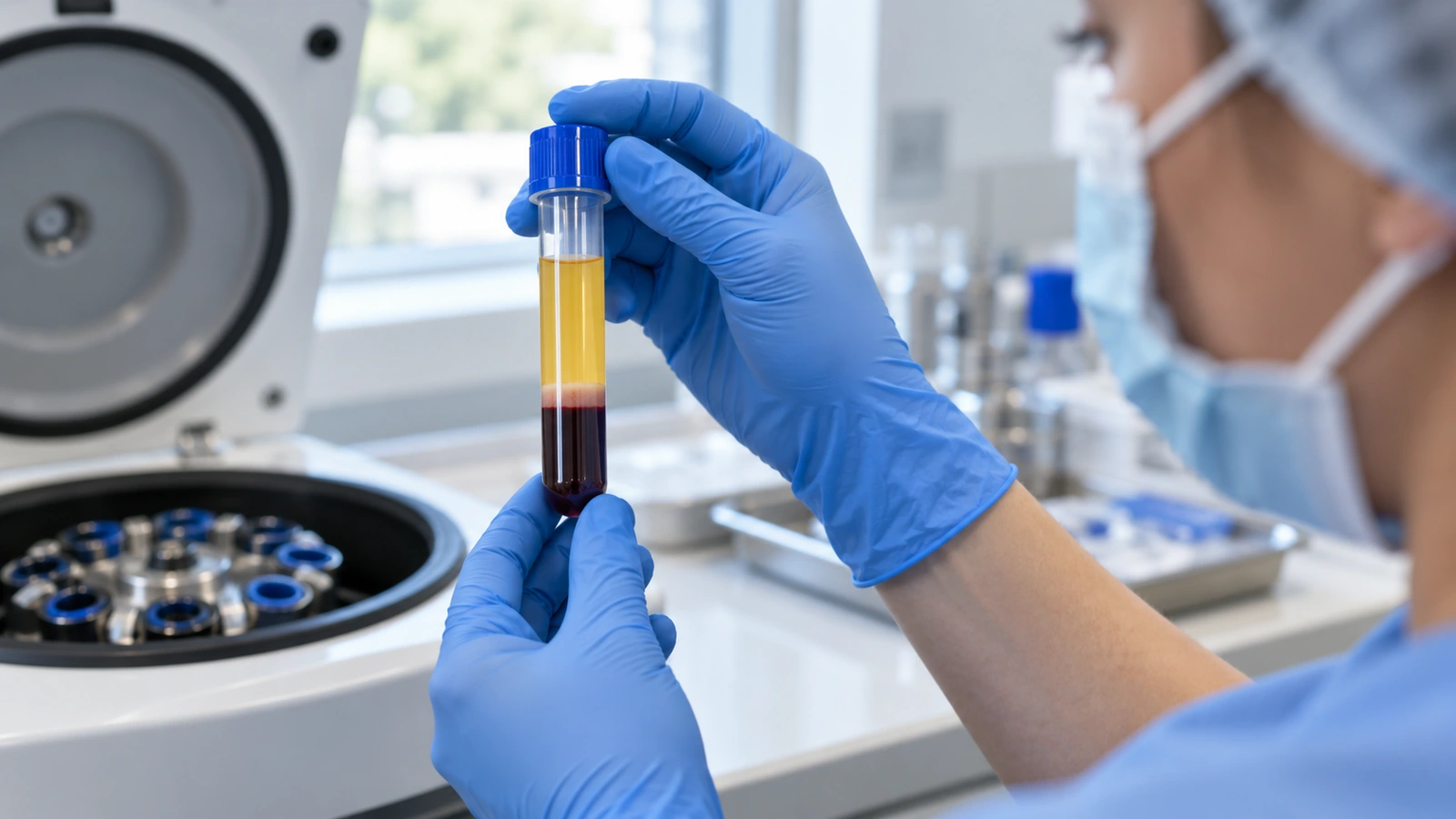
Centrifugation: The aspirated marrow is placed in a specialized centrifugation system right in the clinic. High-speed spinning separates red blood cells from the valuable buffy coat layer, which contains the concentrated nucleated cells, platelets, and healing cytokines.
-
Targeted Reinjection: The concentrated cellular solution is drawn into a syringe and delivered directly into the damaged joint, tendon, or spinal structure.
Image guidance is essential during reinjection. Delivering cells blindly into a joint capsule reduces procedural accuracy. Utilizing high-resolution musculoskeletal ultrasound or fluoroscopic X-ray ensures the cellular biologic reaches the exact site of structural compromise.
Platelet-Rich Plasma and Complementary Orthobiologics
While BMAC provides a cellular component derived from marrow, platelet-rich plasma represents another foundational pillar of non-surgical joint care. PRP is created from a simple blood draw, making it a less invasive first step for many joint and soft-tissue conditions.
How Platelet Concentrates Support Joint Function
Platelets are well known for their role in blood clotting, but they also serve as natural reservoirs of healing growth factors. These include platelet-derived growth factor (PDGF), transforming growth factor-beta (TGF-beta), and vascular endothelial growth factor (VEGF). When concentrated up to several times baseline levels through centrifugation, PRP delivers an intensive biological signal to surrounding tissues.
In joints affected by early or moderate arthritis, PRP injections have repeatedly demonstrated an ability to reduce joint stiffness and relieve pain for extended periods. When integrated into regenerative orthopedic medicine, platelet therapies can help quiet chronic bursitis, stabilize loose ligaments, and calm chronic tendon irritation that might otherwise push a patient toward an operative procedure.
Autologous vs. Perinatal Products: Clarifying Evidence and Safety
A vital distinction in the regenerative field involves the source of the biological material. Autologous tissues originate from your own body (such as your bone marrow or peripheral blood). Allogeneic tissues originate from another donor, often advertised as umbilical cord blood, amniotic fluid, or placental tissue.
Patients often ask whether donated birth tissue products offer a convenient shortcut that avoids bone marrow harvesting. Rigorous independent laboratory studies by orthopedic researchers have consistently demonstrated that commercially available, freeze-dried, or cryopreserved amniotic and umbilical products rarely contain living, viable stem cells once thawed at room temperature.
Furthermore, marketing non-homologous birth tissue products or unapproved exosome solutions for orthopedic repair falls outside established regulatory pathways in the United States. Reputable medical practices prioritize autologous orthobiologics because your own cellular material carries no risk of graft rejection, eliminates foreign donor disease transmission, and complies fully with federal medical regulations.
Joint by Joint: Evaluating Regenerative Alternatives Before Surgery
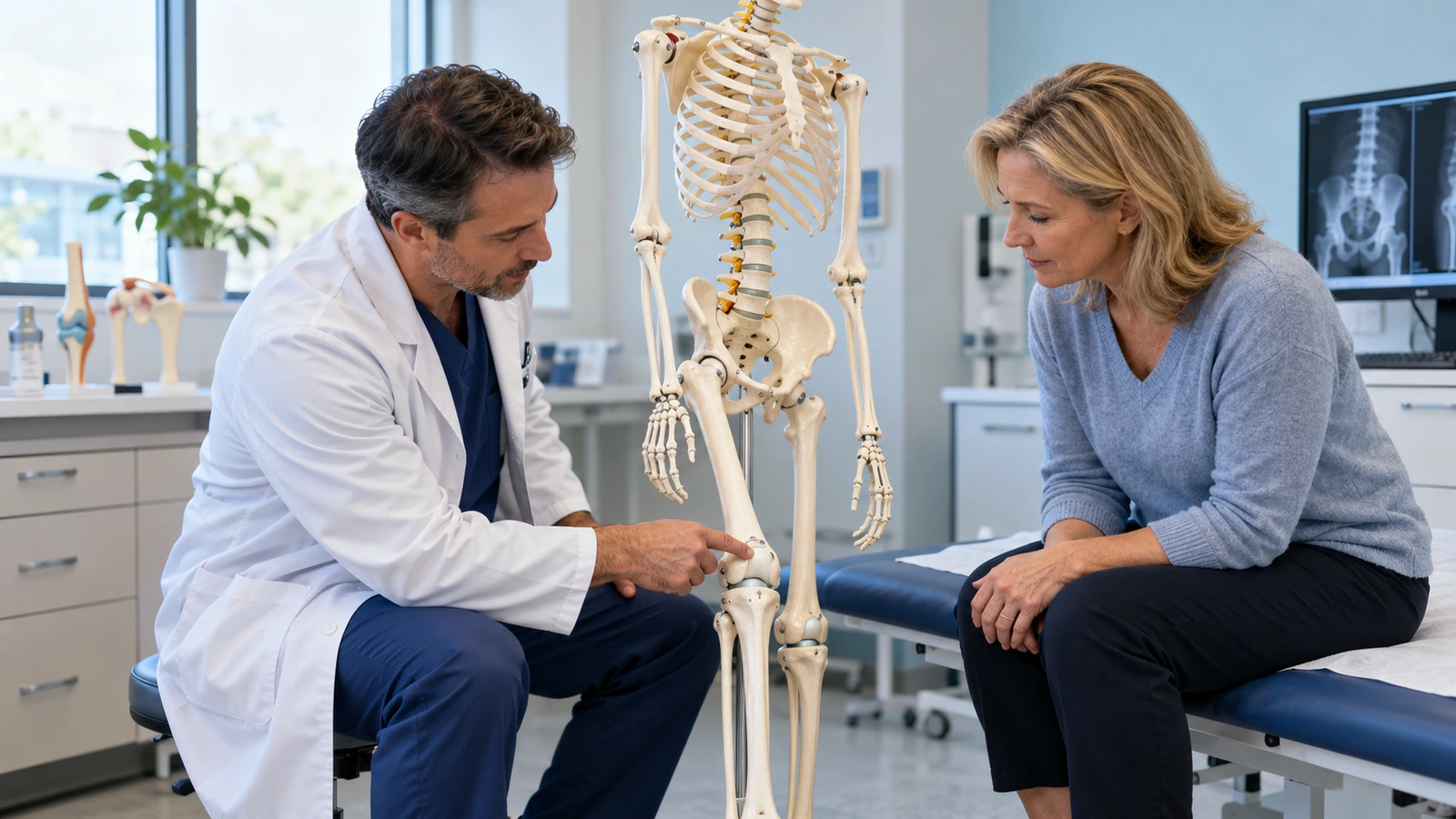
The decision to choose a non-surgical biologic over a surgical operation depends heavily on which anatomical joint is affected and how far the structural degeneration has advanced. A protocol that works well for a partially torn shoulder tendon may not apply to an unstable, collapsing ankle joint. Understanding how these therapies function across distinct joints helps clarify what is possible.
The Knee: Osteoarthritis and Meniscus Degradation
The knee is the most commonly evaluated joint for non-surgical orthobiologics. Countless patients are advised to undergo total knee replacement each year, yet many remain in an intermediate stage of cartilage loss where biological preservation remains viable. Favorable outcomes are most common in mild to moderate osteoarthritis (Kellgren-Lawrence Grades 2 and 3) or degenerative tears that lack mechanical catching. Complete joint collapse or severe bone bowing, by contrast, generally warrants surgical evaluation.
For patients dealing with mild to moderate knee arthritis, clinical trials show that autologous cellular injections and PRP can provide sustained pain relief and improved joint mobility, frequently lasting twelve to twenty-four months or longer.
Similarly, middle-aged patients frequently experience degenerative tears in their meniscus cartilage. While surgeons historically performed partial meniscectomies (trimming away the torn cushion), long-term orthopedic data demonstrates that cutting away meniscus tissue significantly speeds up the onset of severe arthritis.
Unless the knee is physically catching or locking in place, biological therapy can often address the inflammatory pain associated with degenerative meniscus tears while preserving the joint’s natural shock absorbers. Reviewing the distinction between knee arthritis vs meniscus tear in Dallas can help clarify which underlying condition is producing your symptoms.
The Hip: Navigating Cartilage Thinning and Deep Labral Tears
The hip is a deep, highly constrained ball-and-socket joint that sustains substantial load-bearing forces during everyday walking. Managing hip arthritis through regenerative medicine requires careful patient selection. Early cartilage wear and stable labral fraying respond far better than advanced avascular necrosis or total flattening of the femoral head.
Early-stage hip osteoarthritis and stable labrum tears often respond well to targeted, fluoroscopically guided cellular injections. When the labrum is frayed or irritated, calming local inflammation can restore comfort without requiring arthroscopic reconstruction.
However, because the hip joint carries immense hydrostatic pressure, severe late-stage hip arthritis featuring total joint space collapse and bone spurring responds less predictably to biologics than the knee. Catching hip degeneration early during the pre-surgical window is therefore essential to preserving native anatomy.
The Shoulder: Rotator Cuff Tears and Joint Degeneration
Shoulder discomfort frequently stems from a combination of joint surface wear and soft-tissue tendon failure. Patients facing shoulder surgery are often dealing with partial-thickness rotator cuff tears or chronic shoulder arthritis. Partial tears and moderate capsule wear respond favorably, whereas massive retracted tears with muscle degeneration require surgical repair.
Open or arthroscopic rotator cuff repairs require lengthy post-operative immobilization in a sling, often accompanied by significant post-surgical discomfort and months of physical therapy. For partial-thickness tears where the tendon remains anchored to the bone, precision ultrasound-guided injections of PRP or BMAC can stimulate a local repair response, strengthen the surrounding tendon fibers, and eliminate the need for surgical cutting.
These biological therapies are also effective for stabilizing minor sports injuries and chronic ligament injuries throughout the upper and lower extremities.
The Spine: Discogenic Pain and Facet Joint Arthropathy
Back and neck discomfort represent some of the most complex clinical presentations in medicine. When conservative care fails, patients are often directed toward spinal decompression, discectomy, or segmental fusion. Biologics can often address discogenic discomfort and facet inflammation, whereas progressive loss of neurological function demands immediate surgical care.
Non-surgical spinal orthobiologics focus on addressing specific pain generators rather than mechanically locking vertebrae together. Conditions such as degenerative disc disease, mild spinal stenosis, and contained herniated disc pathology can frequently be managed by treating the inflamed facet joints, stabilizing spinal ligaments, or performing epidural biologics under fluoroscopic X-ray guidance.
By treating the functional spinal unit as an integrated biological system, physicians targeting spine pain often help patients regain mobility and postpone or avoid surgical fusion.
The Regulatory Landscape: FDA Standards and Evidence Quality
Navigating regenerative medicine requires understanding the federal regulatory framework that governs biological treatments in the United States. Misinformation abounds online, with some clinics operating outside regulatory boundaries while critics claim no cellular therapy is permitted. The reality lies in clear regulatory definitions.

Understanding FDA 21 CFR Part 1271
The United States Food and Drug Administration regulates human cells, tissues, and cellular and tissue-based products (HCT/Ps) under Title 21, Part 1271 of the Code of Federal Regulations. The law establishes two distinct regulatory tiers:
-
361 Human Cellular Tissues (Exempt from Pre-market Approval): Biological tissues that are autologous (your own tissue), undergo minimal manipulation (processed without changing their original biological characteristics), and are intended for homologous use (performing the same basic function in the recipient as in the donor). Autologous bone marrow aspirate concentrate and PRP processed chairside for musculoskeletal conditions fall under this compliant framework.
-
351 Biological Drugs (Requiring Formal Pre-market Approval): Tissues that undergo more than minimal manipulation (such as expanding cells in culture flasks over several weeks) or non-homologous uses (such as injecting birth fluids into an eye or vein to treat systemic illnesses) are classified as biological drugs. They require formal FDA Investigational New Drug (IND) applications and completed clinical trials before they can be legally marketed.
Reputable clinics offering orthopedic treatment operate strictly within the 361 framework, utilizing minimal manipulation of autologous tissue obtained directly from the patient during the same surgical procedure.
Evaluating Clinical Evidence Quality
The quality of clinical evidence in orthobiologics has expanded rapidly over the past decade. Numerous randomized controlled trials, prospective registries, and meta-analyses now support the use of PRP and BMAC for knee osteoarthritis, lateral epicondylitis (tennis elbow), and specific rotator cuff injuries.
At the same time, legitimate medical providers remain candid about the investigational nature of certain applications. While orthobiologics excel at relieving pain, reducing joint inflammation, and restoring physical function, they do not universally regrow bone-on-bone joints or cure genetic spine disorders. Claims suggesting guaranteed outcomes or permanent cures represent severe red flags that contradict current scientific consensus.
Clinical Candidacy: Who Qualifies and Who Genuinely Needs Surgery
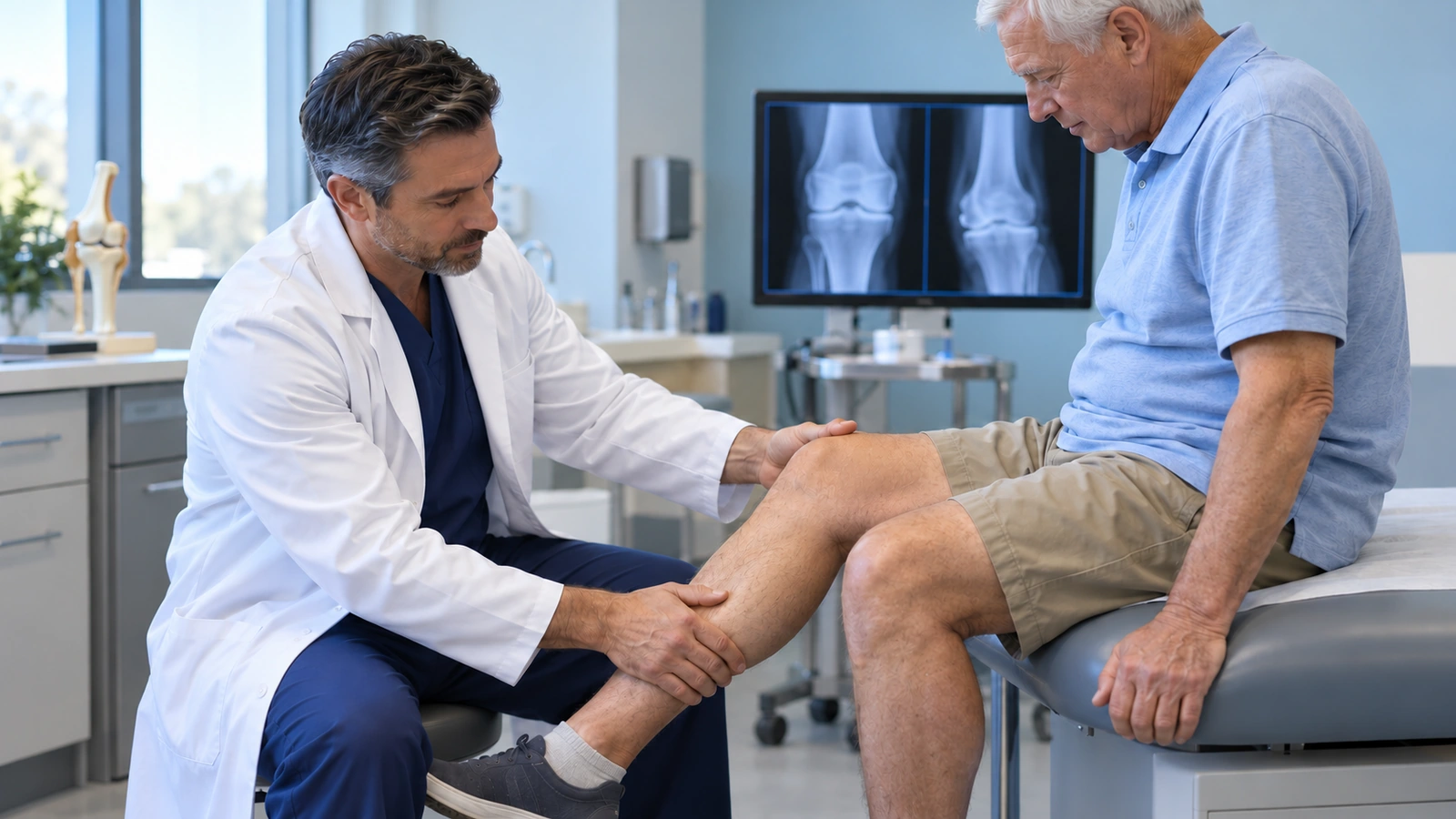
Determining whether you are an appropriate candidate for non-surgical regenerative care requires a transparent, multi-factorial medical evaluation. A thorough physician does not view every patient through the lens of a single treatment needle.
Characteristics of a Favorable Candidate
Patients who experience the most reliable, long-lasting outcomes from non-surgical orthobiologic therapies generally share specific clinical traits:
-
Moderate Degeneration: Radiographic imaging showing Grade 1, 2, or moderate Grade 3 osteoarthritis, where some measurable joint space remains between the bones.
-
Intact Structural Stability: Cruciate ligaments and primary stabilizers remain functional, meaning the joint is stable under load rather than sliding out of alignment.
-
Partial Rather Than Retracted Tears: Tendons and cartilage show internal fraying or interstitial tears, but the tissue ends have not retracted away from their bone anchors.
-
Active Lifestyle Goals: The patient wishes to avoid the downtime and surgical risks of an operation, maintaining a moderate exercise routine without high-impact joint destruction.
Situations Where Surgery Remains the Medically Appropriate Choice
Honest medical care demands acknowledging when non-surgical treatments are no longer clinically viable. In certain situations, attempting biological injections merely wastes time and financial resources, and surgery represents the safest, most effective path:
-
End-Stage Grade 4 Collapse: Complete loss of joint space where opposing bones have worn flat, developed large subchondral cysts, and begun grinding bone-on-bone with significant structural erosion.
-
Severe Angular Deformity: A knee joint that has bowed severely inward or outward due to bone loss cannot be realigned with an injection; corrective osteotomy or knee arthroplasty is mechanically required.
-
Mechanical Block to Motion: A loose body of bone or a flipped “bucket-handle” meniscus tear that physically locks the knee joint in a bent position requires surgical removal or repair.
-
Retracted Rotator Cuff Tears: A shoulder tendon that has snapped completely and pulled back away from the humeral head, developing fatty muscle atrophy, requires surgical reconstruction.
-
Spinal Emergencies: Progressive loss of bowel or bladder control (cauda equina syndrome), progressive muscle weakness such as foot drop, or severe spinal instability requires urgent surgical consultation.
A responsible physician evaluating conditions commonly evaluated in Dallas will review your diagnostic MRI and weight-bearing X-rays to tell you frankly if you have crossed the threshold into surgical necessity.
Practical Financial Realities: Insurance Coverage and Planning
One of the most common frustrations patients encounter when exploring orthobiologic therapy is navigating insurance coverage and out-of-pocket costs. Approaching this aspect with total clarity helps prevent unexpected financial strain.

Why Standard Health Insurance Rarely Covers Orthobiologics
Major health insurance carriers, including Medicare and commercial private plans, routinely cover traditional conservative care (such as physical therapy, generic pharmaceuticals, and corticosteroid injections) as well as major orthopedic surgeries (such as total joint replacement). However, insurance carriers generally classify cellular therapies like BMAC and PRP as experimental or investigational for routine orthopedic use.
Because broad insurance policies change slowly and rely on decades-old coverage determinations, reimbursement for living cellular procedures remains uncommon. Consequently, most non-surgical regenerative orthopedic procedures in the United States require private out-of-pocket payment.
Weighing True Costs: Surgery vs. Cellular Care
When evaluating out-of-pocket investments, patients often compare the quoted cost of a regenerative procedure against an assumed free surgery covered by insurance. A realistic financial comparison, however, accounts for total out-of-pocket surgical expenses.
Standard surgery carries deductibles, co-insurance percentages, separate anesthesiologist charges, and surgical center facility fees that regularly sum to several thousand dollars. Beyond direct medical bills, surgical patients frequently encounter four to twelve weeks of unpaid leave or diminished work capacity, alongside recurring physical therapy copays for months.
Orthobiologic care involves an upfront procedural fee without separate hospital facility fees or anesthesia invoices. Downtime usually spans just a few days of reduced physical activity, allowing most individuals to return to professional work almost immediately. For individuals seeking structured payment arrangements, reviewing healthcare financing options can make non-surgical treatments accessible without draining emergency savings.
Questions Every Patient Should Ask Before Making a Decision
Before agreeing to any orthopedic procedure (whether an irreversible surgery or an outpatient cellular injection), you should advocate for your health by asking rigorous, direct questions. A reputable medical specialist welcomes these inquiries and answers them with clarity and composure.
Essential Questions for Your Orthopedic Consultation
When consulting with a healthcare provider regarding non-surgical alternatives to surgery, bring the following questions to your appointment:
-
What is the exact biological source of the material being injected? Verify whether the procedure uses your own autologous bone marrow or platelets, or an off-the-shelf commercial product.
-
How is the cellular solution processed and concentrated? Inquire about the concentration systems used and whether cell counts or quality metrics are evaluated.
-
Will the injection be delivered under real-time imaging guidance? Confirm that the physician uses high-resolution ultrasound or fluoroscopic X-ray to place the biologic accurately within the target structure.
-
What does clinical research show for my specific stage of disease? Ask specifically about outcomes for your exact Kellgren-Lawrence arthritis grade or tear pattern, rather than generic statistics.
-
What happens if this procedure does not provide sufficient relief? Confirm that receiving an orthobiologic injection will not prevent you from having joint replacement surgery later if your condition eventually requires it.
-
What does post-procedure rehabilitation involve? Clarify the physical therapy timeline, weight-bearing restrictions, and activity modifications required to protect the joint while biological healing occurs.
If a provider becomes defensive, promises a 100 percent cure rate, or dismisses the value of diagnostic imaging, seek another opinion immediately.
Navigating Your Next Step in the Dallas-Fort Worth Area
Living with chronic joint stiffness, grinding pain, or spinal limitations can restrict your daily independence and diminish your quality of life. An orthopedic surgery recommendation does not mean your choices are exhausted, but it does signal that passive management is no longer working.
Non-surgical regenerative medicine offers a scientifically grounded path to alter your joint environment, calm persistent tissue inflammation, and maintain your native bone and ligament structures. By taking the time to review high-quality diagnostic imaging, understand your clinical candidacy, and weigh the realistic benefits of autologous orthobiologics, you place yourself in full control of your physical health.
If you are currently evaluating your options before scheduling an operative procedure, taking time to schedule a thorough clinical evaluation can provide total clarity on whether you are a candidate for orthobiologic care. Speaking with experienced clinical professionals through a personalized contact consultation ensures your joint health is guided by expertise, transparency, and careful medicine.