


In orthopedics, regenerative medicine refers to approaches intended to repair, replace, or support damaged cells and tissues. It does not automatically mean new cartilage is growing. A change in pain, inflammation, or movement is different from evidence that damaged tissue has been rebuilt.
That distinction matters when a treatment is marketed as regenerative. The word can describe a scientific goal, a proposed mechanism, or a product claim, and those are not the same thing. FDA guidance says the regenerative products it describes have not been approved to treat orthopedic conditions.
What does regenerative medicine mean in orthopedics?
Regenerative medicine is a broad field that studies ways to repair or replace damaged cells and tissues and restore their structure or function. Approaches may involve cells, biologics, engineered materials, or other technologies. Research includes musculoskeletal tissues such as cartilage, tendons, and ligaments.
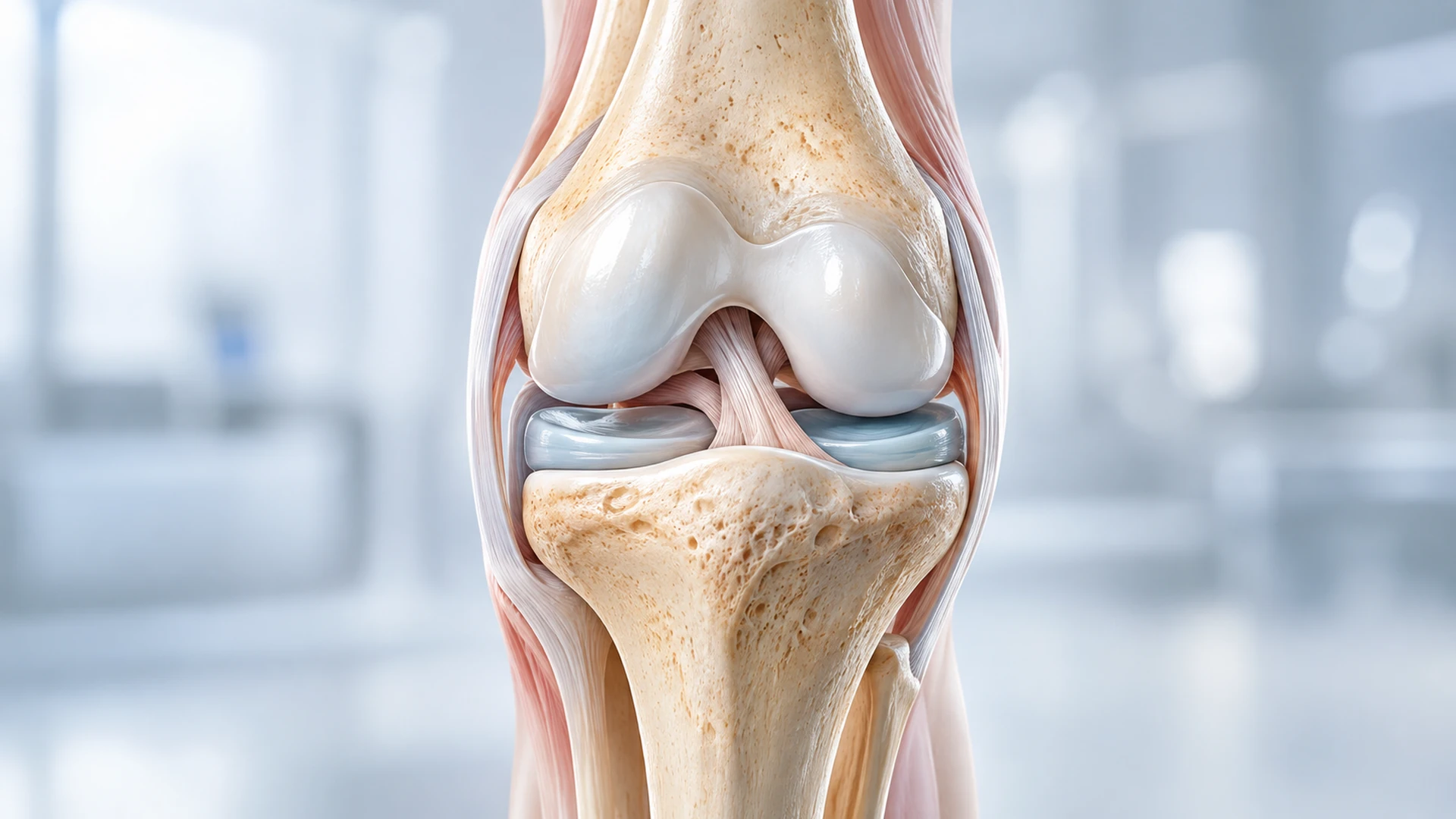
In clinical marketing, “regenerative” may be used for a particular injection or procedure. The label alone does not show that the treatment has restored tissue, reduced symptoms, or changed the course of a condition. Those questions require evidence about the specific product, diagnosis, and outcome being measured.
Dallas Stem Cell Center’s overview of regenerative orthopedic medicine provides related service context. It should be read separately from evidence about whether a particular treatment regrows tissue.
Repair, regeneration, and symptom relief are different results
These terms describe different outcomes:
- Symptom relief means a person reports less pain or better function. It does not establish what changed inside the joint.
- Repair means damaged tissue has been addressed, but the resulting tissue may differ from the original in structure or strength.
- Regeneration, in the stricter sense, means restoring tissue toward its original structure and function.
A person might feel better without measurable cartilage growth. Conversely, an imaging change does not necessarily mean someone moves more comfortably. A useful treatment claim should say which result it aims to change and how that result was assessed.
How cell signaling relates to healing
Cells respond to chemical and physical signals in their surroundings. Growth factors and other signaling molecules can influence cell activity, but a signal is not itself replacement cartilage. A tissue must also develop an organized structure that can withstand the forces placed on it.
Some regenerative approaches aim to influence the body’s own repair response. Others introduce cells or materials that may support repair. Whether those changes produce useful, lasting tissue in a person is a separate clinical question. Research on cartilage repair still faces challenges in translating biological findings into safe, effective treatments for people.
Why cartilage is particularly difficult to regrow
Articular cartilage is the smooth tissue covering the ends of bones inside many joints. It has limited ability to repair itself. Reviews of cartilage treatments also note that repair tissue may have different mechanical properties from healthy cartilage.
The type and extent of damage matter. A small, localized cartilage defect is different from widespread changes associated with osteoarthritis. That is one reason results from a study of one condition or procedure should not be treated as proof that an injection can regrow cartilage for everyone with joint pain. For background on joint arthritis, see the Center’s condition page.
PRP, BMAC, donor cells, and exosomes are different products
“Regenerative treatment” can refer to products made in different ways. Their names should not be treated as interchangeable.
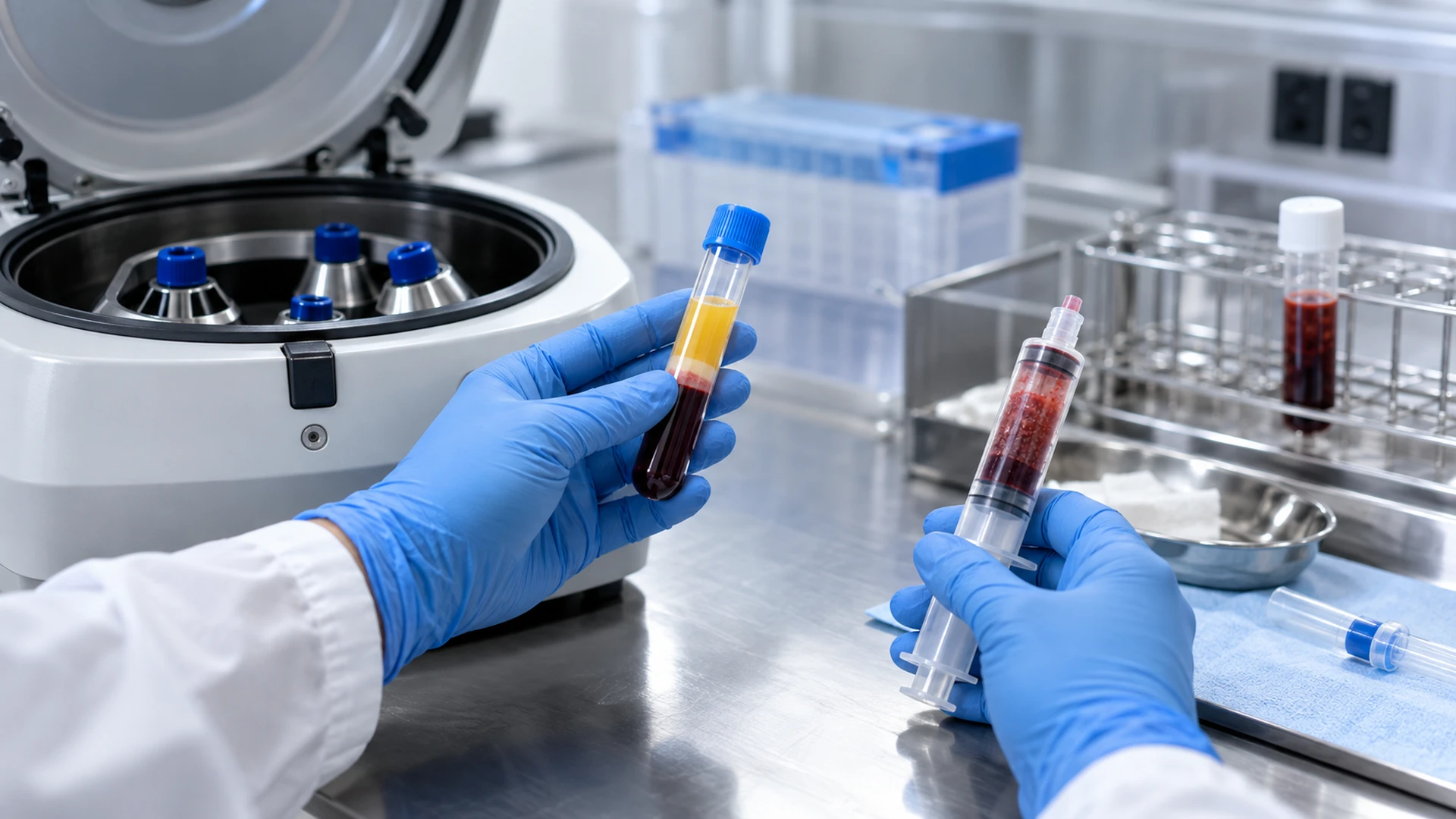
Platelet-rich plasma
PRP is made from a person’s own blood, which is processed to concentrate platelets and associated signaling proteins. It is a blood product, not a stem cell injection. The proposed rationale is that these signals may affect local biological activity. That rationale does not establish that PRP rebuilds cartilage.
Bone marrow aspirate concentrate
BMAC is made from a person’s own bone marrow and contains a mixture of cells and other components. It is not simply a vial of purified stem cells. A laboratory study found that PRP and BMAC had different cell and growth-factor compositions, underscoring that they are distinct products.
The Center has a separate overview of BMAC therapy in Dallas. A service description is not, by itself, evidence that a treatment regrows cartilage or is appropriate for a particular diagnosis.
Donor cell products
Donor-derived products use material from another person. Their source and preparation differ from products made using a patient’s own blood or marrow, so evidence about PRP or BMAC should not automatically be applied to them.
Exosome products
Exosomes are small vesicles released by cells. They are not stem cells themselves, though they may carry biological signals. FDA states that there are no FDA-approved exosome products.
What human studies can and cannot show
A randomized trial can help test whether a treatment changes a defined outcome in a particular group of patients. It cannot automatically answer whether the same treatment works for a different diagnosis, product preparation, or patient group.
For example, a randomized, placebo-controlled trial involving 288 adults with mild to moderate knee osteoarthritis found no significant difference between PRP and saline in knee pain or medial tibial cartilage volume after 12 months. That finding does not settle every question about every PRP preparation or orthopedic condition. It does show why a claim about symptom change should not be presented as proof of cartilage regrowth.
When reading a study, check what it measured. Patient reports, imaging, and direct evidence of tissue structure answer different questions. Results from laboratory or animal research can guide further investigation, but they do not by themselves establish a treatment benefit in people.
What FDA status tells you
FDA’s public consumer guidance says that stem cell products approved for use in the United States are blood-forming cells derived from umbilical cord blood for disorders affecting blood production. FDA also says those products are not approved for other uses, and that the regenerative products described in its alert have not been approved for orthopedic conditions.

A product’s presence on a clinical-trial registry, or a claim that a facility or product is “FDA registered,” does not by itself mean FDA has approved it for routine treatment. FDA also warns that unapproved regenerative products can carry safety risks. Ask what specific product is being offered, how it is regulated, and whether it is being used as part of an FDA-authorized clinical trial.
What an orthopedic evaluation should clarify
Before considering an injection or procedure, the evaluation should identify the likely source of symptoms and the treatment goal. Joint pain can come from different structures, and a treatment aimed at one tissue may not address another.
A clinician can discuss whether the goal is to improve symptoms, function, or tissue structure, and what evidence supports that goal for the specific diagnosis. The conversation should also cover reasonable alternatives, possible risks, expected follow-up, and what would happen if the treatment does not help.
Questions to ask before considering a regenerative treatment
A patient can ask:
- What is the exact diagnosis, and which tissue is being treated?
- Is the product made from my own blood or marrow, from a donor, or from another source?
- What does the preparation contain, and how is it processed?
- What evidence applies to my diagnosis and this specific product?
- Does that evidence measure pain, function, cartilage structure, or another outcome?
- What are the risks, alternatives, cost, and follow-up plan?
- Is the treatment FDA-approved for this orthopedic use, or is it being studied in a clinical trial?
Clear answers help separate a treatment’s proposed mechanism from demonstrated results.
How to read a claim about regeneration
When someone says a treatment “regenerates” tissue, ask what that means in measurable terms. Does the claim refer to a possible biological effect, symptom improvement, or evidence of new, functional tissue? Those outcomes should not be treated as equivalent.
Regenerative medicine is an active area of research, but the label alone cannot predict what a treatment will do for an individual. For an individualized discussion of orthopedic concerns and treatment options, explore a personalized evaluation with Dallas Stem Cell Center.